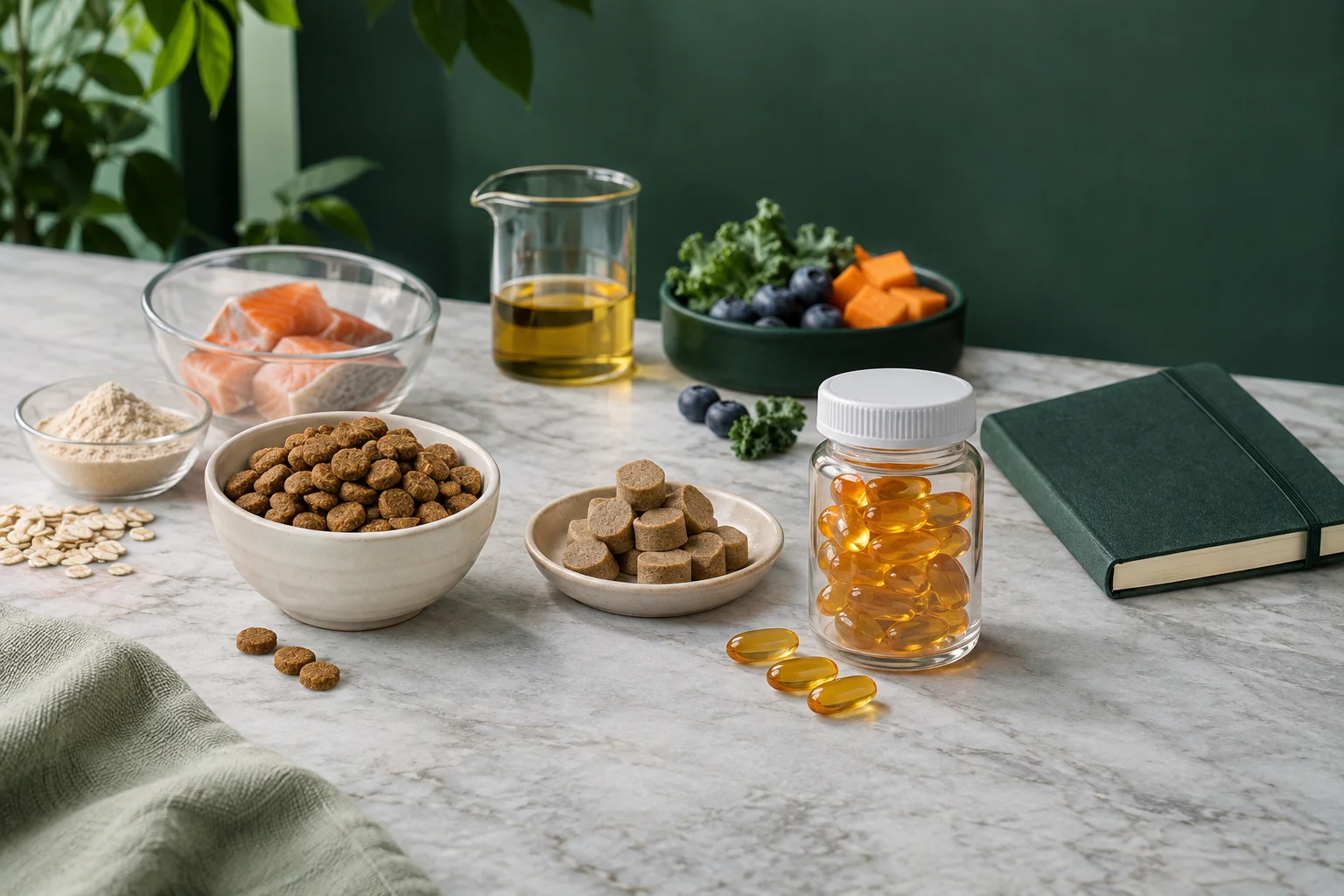
Quality starts with a clear specification

Review pet supplement specifications, COAs, third-party testing, stability plans and manufacturing evidence before approving a private label project.

A nutrition concept needs its own evidence. We agree the product specification and discuss which results belong on a batch COA, which need development work and which need a stability study.

Product specifications and COAs

Product specifications and COAs

We can provide product specifications and a COA. Review the product identity, batch, test methods, results and acceptance limits against the agreed project requirements. For export enquiries, agree the lot identity, declared nutrient units, test methods and acceptance limits before production. A COA records the agreed testing scope for its identified batch.

Third-party testing

Third-party testing

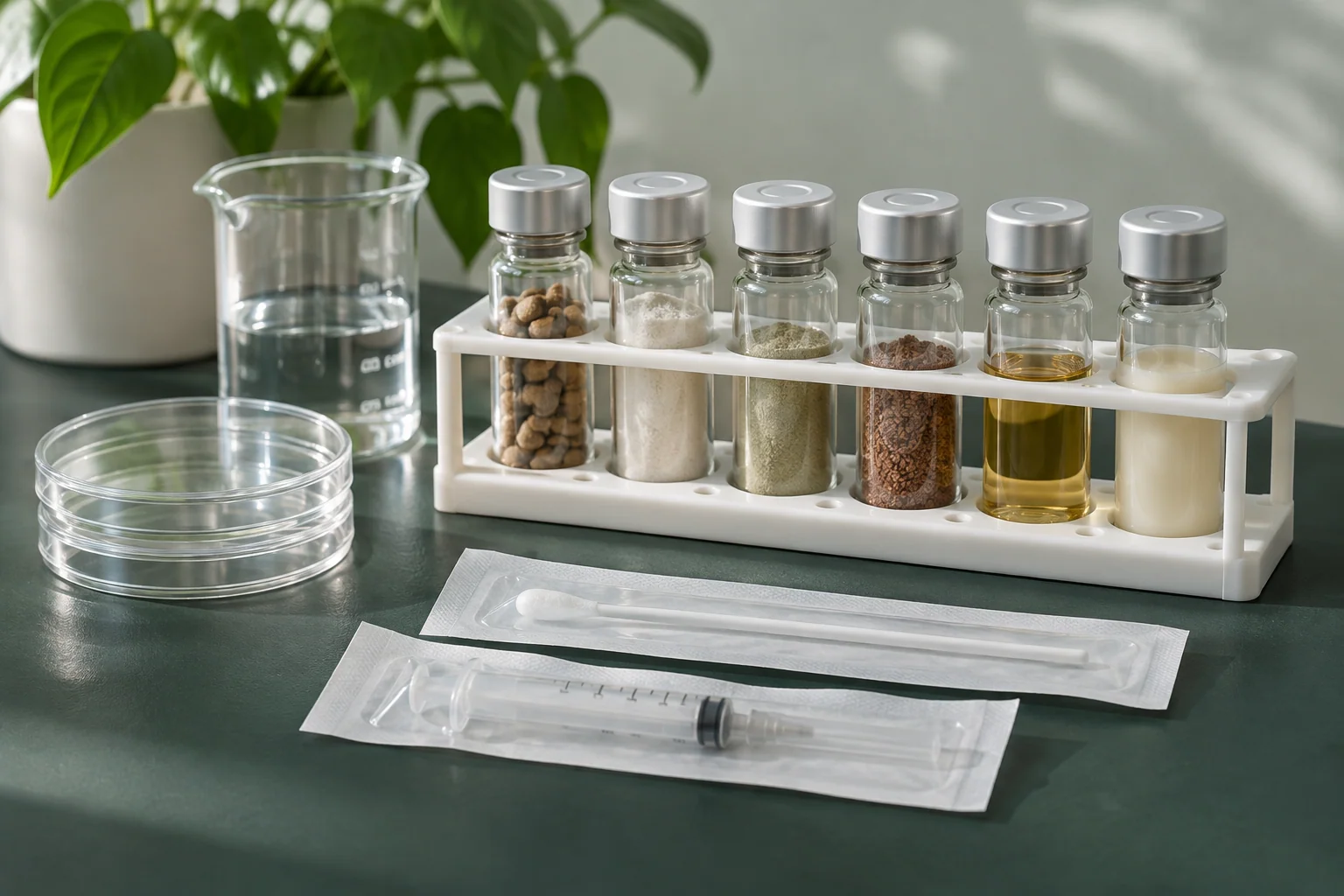
We can assist with heavy metal, microbiological and mycotoxin testing. The analytes, method, laboratory, sampling plan, cost and timing are agreed before commissioning. Incoming-material identity and supplier lot traceability should connect to the finished product. A raw-material authorisation, where needed, is reviewed separately from a laboratory result.

Oral film production approach

Oral film production approach

Our oral films are produced using human oral-film production standards. This production approach does not replace assessment of the specific pet formula, acceptance, stability or destination-market requirements. A request for a 100,000-grade clean room needs a current classification report, operating conditions and the process area covered. We do not present an unverified room class as a site certification.

Packaging and shelf life

Packaging and shelf life

Shelf life requires evidence for the actual formula and primary packaging. Storage, after-opening use and distribution conditions belong in the development brief. Specify the final primary material, opening cycle, storage conditions and acceptance criteria for any pet supplement stability test service under discussion.

Claims and destination markets

Claims and destination markets

An ingredient study, a facility document and a finished-product result answer different questions. We discuss the evidence needed for the proposed nutrition statement and market, without treating one as approval of another. An ISO certificate must match its legal entity, scope and validity. An FDA-compliant production enquiry also needs a product-category and process review; facility registration alone does not establish product approval.

A closer look at the project

A closer look at the project

A video visit to our production base in China can be coordinated by appointment. Prepare the process, quality and packaging questions relevant to your proposed product. Ask which R&D and QC work is performed on site, which is outsourced, and how formula versions, sample references and batch records can be reviewed.

Questions for your product brief

What should an incoming raw-material inspection discussion cover?

Ask how the supplier lot, ingredient identity and agreed specification are recorded and connected to the production batch. Identify which supplier documents are reviewed and which additional checks are planned. For probiotics, botanicals and enzyme preparations, the identity and declared measurement need enough detail to support the finished-product requirements.

How should a 100,000-grade clean-room claim be checked?

Request the classification basis, current report, operating conditions, tested area and activities covered. Identify how that environment relates to the proposed product and process. We do not claim a verified room class on this site. A room-class phrase alone cannot establish a safe formula, correct handling or finished-product quality.

What should an ISO certificate review cover?

Check the certified legal entity, site, standard, scope, issuing body and validity, then compare them with the proposed manufacturing work. Do not apply another entity’s certificate to the brand or assume that one process scope covers every format. This site does not claim unverified ISO certification for our company or every product.

What belongs in a finished pet supplement stability plan?

Define the formula version, final primary packaging, storage conditions, sampling points, analytical methods and acceptance criteria. Include after-opening use where relevant. Discuss who performs the work and how results will support the proposed shelf life. Availability, fees and timing for a specific stability programme are agreed before commissioning.

Is LNHPD the right compliance check for a Canadian pet product?

LNHPD is not a substitute for reviewing the applicable veterinary framework. For a product classified as a Canadian Veterinary Health Product, assess the VHP Notification Program, List C and the actual formula and claims. A human natural-health-product listing cannot establish that a pet formula is compliant or notified.

Does a Lactobacillus name clear a probiotic for the Canadian market?

No. Identify the exact strain and ingredient preparation, then check the applicable List C entry and its conditions for the proposed species and use. Review the full recipe and label with the responsible market specialist. A genus name or an unrelated probiotic listing does not establish suitability of the finished product.

Product references are starting points for discussion. Formula, suitability, evidence, packaging and commercial conditions are confirmed for the project.

What are you planning to make?

Tell us your target species, nutrition direction, format and sales market. We will help define the next technical and commercial questions.

Discuss your project