




Choose the destination before finalising the recipe
A private label range needs a defined destination market before the formula and artwork are treated as final. A familiar ingredient name does not settle whether its specific source, intended use and inclusion level are acceptable for dogs or cats in that market. The product category and intended claims also influence the review. Capture those decisions in the brief that goes to the formulation and packaging teams.
FDA states that the US law for human dietary supplements does not apply to animal food. A label template borrowed from a human supplement can therefore create the wrong assumptions. Obtain a market-specific review of the ingredients, category, claims and required label information. A translated label should follow the reviewed product position instead of simply translating a previous advertising design.
Canada: classify the product before checking a database
For a Canadian pet product that falls within the Veterinary Health Product framework, review Health Canada’s VHP Notification Program and List C. LNHPD is not a substitute for that veterinary product review. Establish classification, formula, intended use and importer responsibilities before making a Canadian-market compliance claim. This site does not claim that a catalogue recipe has completed a Canadian notification.
Give complete diets and complementary products separate roles
Complete food and a complementary nutrition product serve different feeding purposes. AAFCO explains complete and balanced nutrition in relation to the nutrients and their proportions for the intended life stage. A supplement containing several vitamins is not automatically a complete diet. State the product's role clearly so that the owner does not use a small serving in place of an appropriate daily food.
FEDIAF publishes nutritional guidance for complete and complementary foods for cats and dogs. Its guidance can inform a European nutrition discussion; it does not establish legal market access for a particular formula. Keep the nutritional assessment and the market compliance review as named tasks with their own records. Neither should be replaced by an unsupported certification badge on a carton.
Build around a few clearly distinguished nutrition purposes
A range is easier to explain when each SKU has a defined purpose and serving routine. Daily nutrition, skin and coat, joint nutrition, digestive nutrition and oral care can be starting points for discussion. Avoid assembling multiple products whose ingredient lists overlap heavily without a clear explanation of their combined use. A customer comparing the range should be able to tell which animal and routine each item is designed for.
Make a range map showing species, life stage, format, proposed daily serving and ingredients that recur across SKUs. This helps the technical reviewer consider total intake and helps the commercial team avoid near-duplicate products. A new flavour or label colour alone does not create a distinct nutrition purpose. For owners using several products, provide a route to request advice about the complete feeding routine.
Write claims that the product can support
Describe the nutrition direction in plain language and assess the actual words used in the destination market. Disease-treatment and prevention language can change the regulatory question. Even a statement framed around support requires attention to its context and evidence. Check the product name, package front, product page, customer email and advertisement together, since a restricted promise can be implied by their combined presentation.
Keep a claims record identifying each proposed statement and its supporting document. Distinguish composition information from performance evidence. A COA can report a measured characteristic of a batch, while a statement about an animal outcome requires suitable evidence for that outcome. Ingredient literature does not automatically substantiate the same statement for every finished product or daily serving.
United States: review intended use as well as ingredients
FDA explains that products described as animal dietary supplements may be animal food or new animal drugs depending on intended use. Claims to treat or prevent disease can change the regulatory question. A human dietary-supplement disclaimer cannot establish the status of an animal product. Review proposed website wording alongside the label and the complete formulation.
Localise instructions as carefully as the brand message
Serving units, decimal notation and everyday feeding language need careful review across languages. A translator needs the approved species, serving basis and cautions. Provide the full context so that a word meaning nutrition support is not accidentally changed into a treatment promise. Retain product identifiers and version control across all language files.
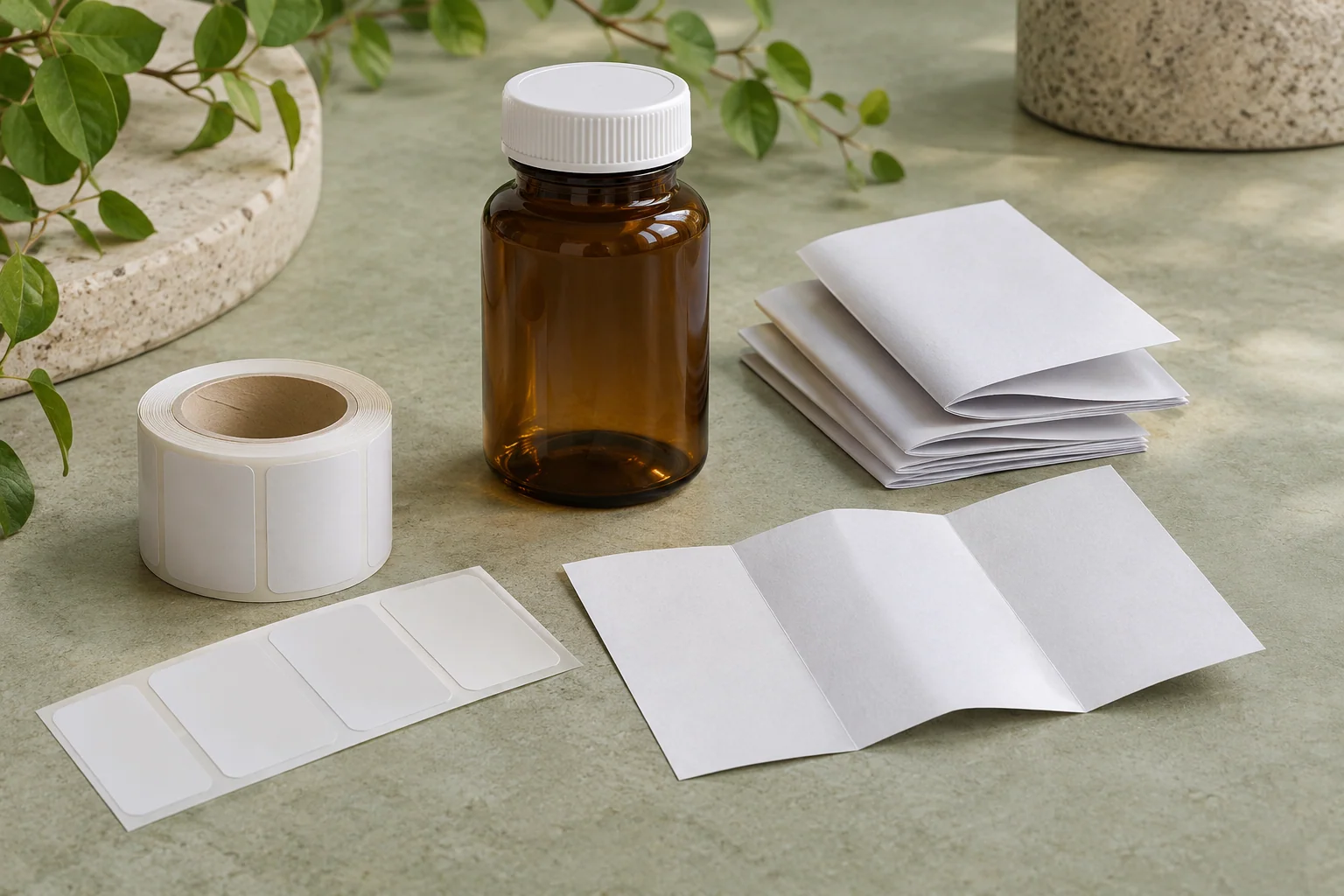
Check the physical label at its printed size. Small bottles and sachets offer limited space, so information may need a well-planned panel arrangement. Verify that the unit count, net quantity, batch code and storage text remain readable. Review right-to-left layouts and line breaks where relevant. A clear website can support the owner's understanding, but it does not remove required information from the product packaging.
- The approved species and life-stage wording
- Serving basis, units and decimal notation
- Ingredient statement and reviewed claims
- Readable date coding and storage directions

Plan evidence and supply records for the actual range
Define the specification, COA and any additional test scope for each SKU. Identify which product and packaging combination will support the proposed shelf life. Where several flavours or unit sizes exist, ask the technical reviewer whether one set of studies can support them and record the basis for that decision. Avoid copying a date claim from another format because the carton design is similar.
Agree responsibilities for import documents, label review and market enquiries before shipment. Product availability and manufacturing capability are separate from destination approval. For our projects, specifications and a COA can be supplied, and third-party heavy metal, microbiological and mycotoxin testing can be arranged. The exact scope and commercial terms follow the agreed project requirements.
Build a destination-specific documentation request
Ask for the formula version, full ingredient identities, species, daily serving, proposed claims, pack text, specification and batch COA. Record additional test and import-document requirements with the responsible reviewer. For Canada, an ingredient name or an unrelated database listing does not clear the finished formula; the applicable VHP conditions and notification responsibilities need their own review.
Make the first range review specific
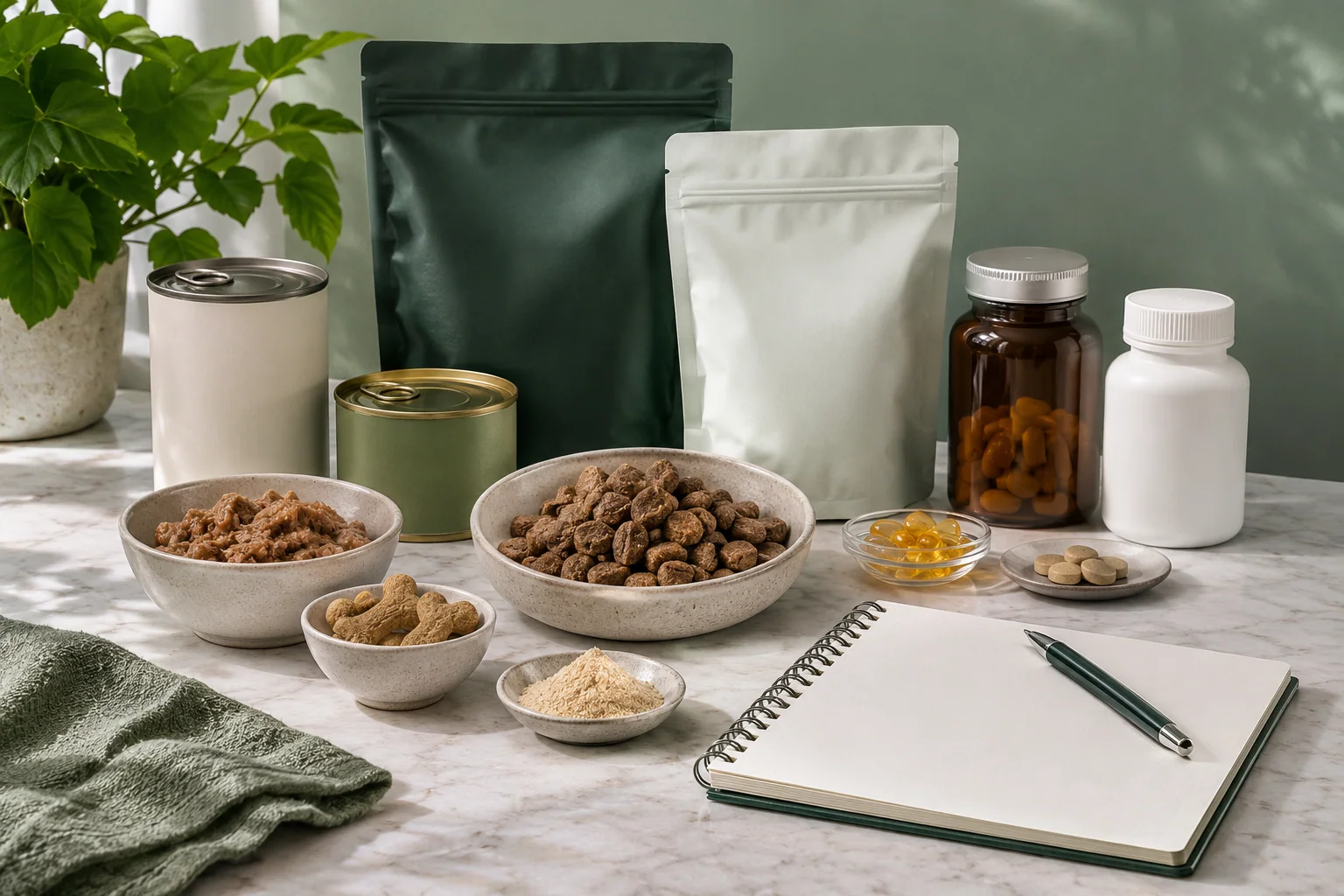
Send a short range brief with the proposed market, species, nutrition purposes, formats and pack sizes. Include the claims you want to make and any ingredients you want excluded. If an existing product is being replaced, provide the attributes that must be retained without assuming that the previous formula is suitable for a new territory.
Guangdong Liangchong Biotechnology Co., Ltd. discusses pet food and pet nutrition OEM/ODM projects through our production base in China. The current catalogue provides format and nutrition directions for development. Final recipes, suitability, specifications, packaging and commercial conditions are confirmed for the project. Start with the product decisions that your customers will need to understand when they pick up the finished pack.
Nutrition information for OEM/ODM planning. Individual pet care decisions belong with a veterinarian.