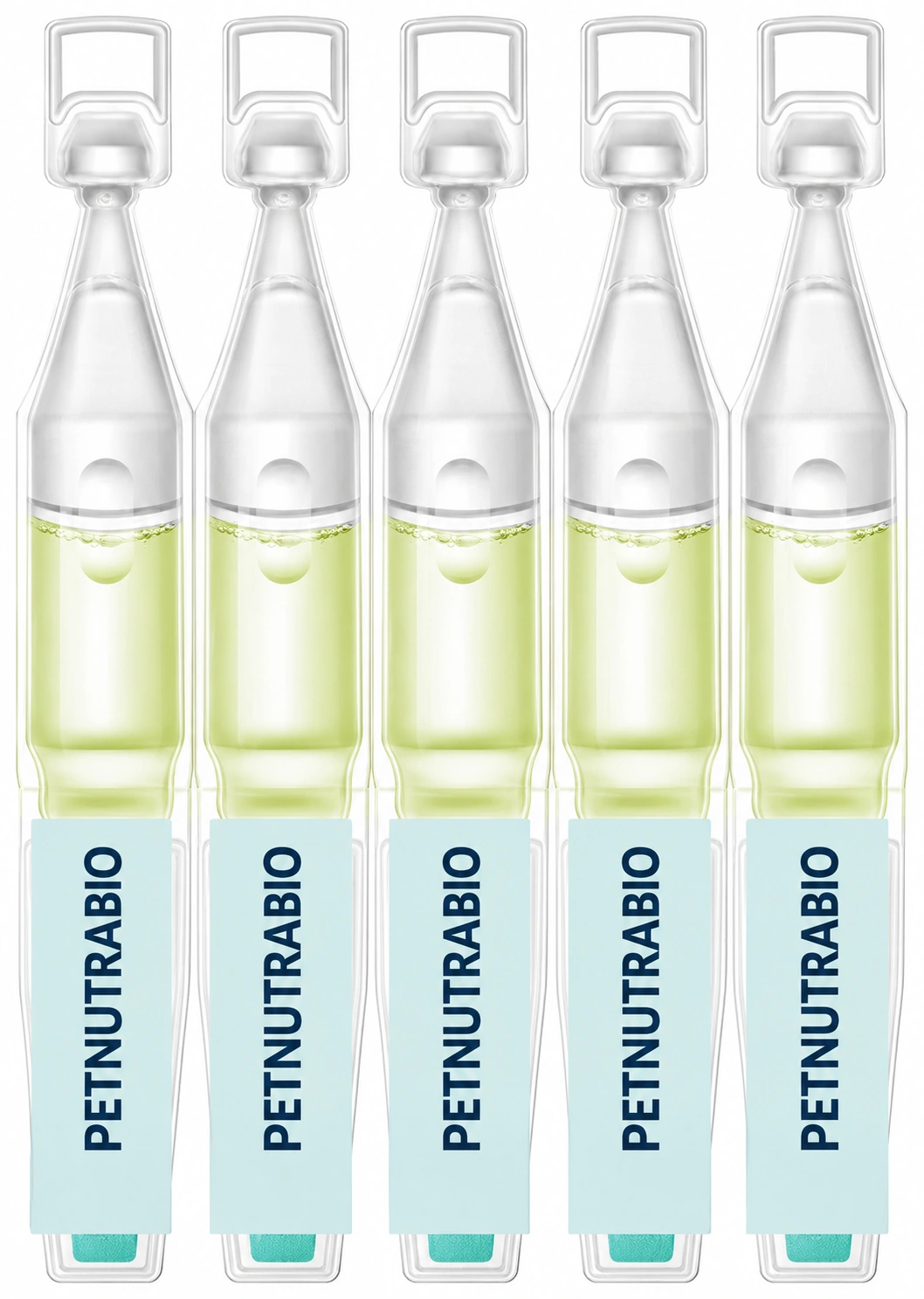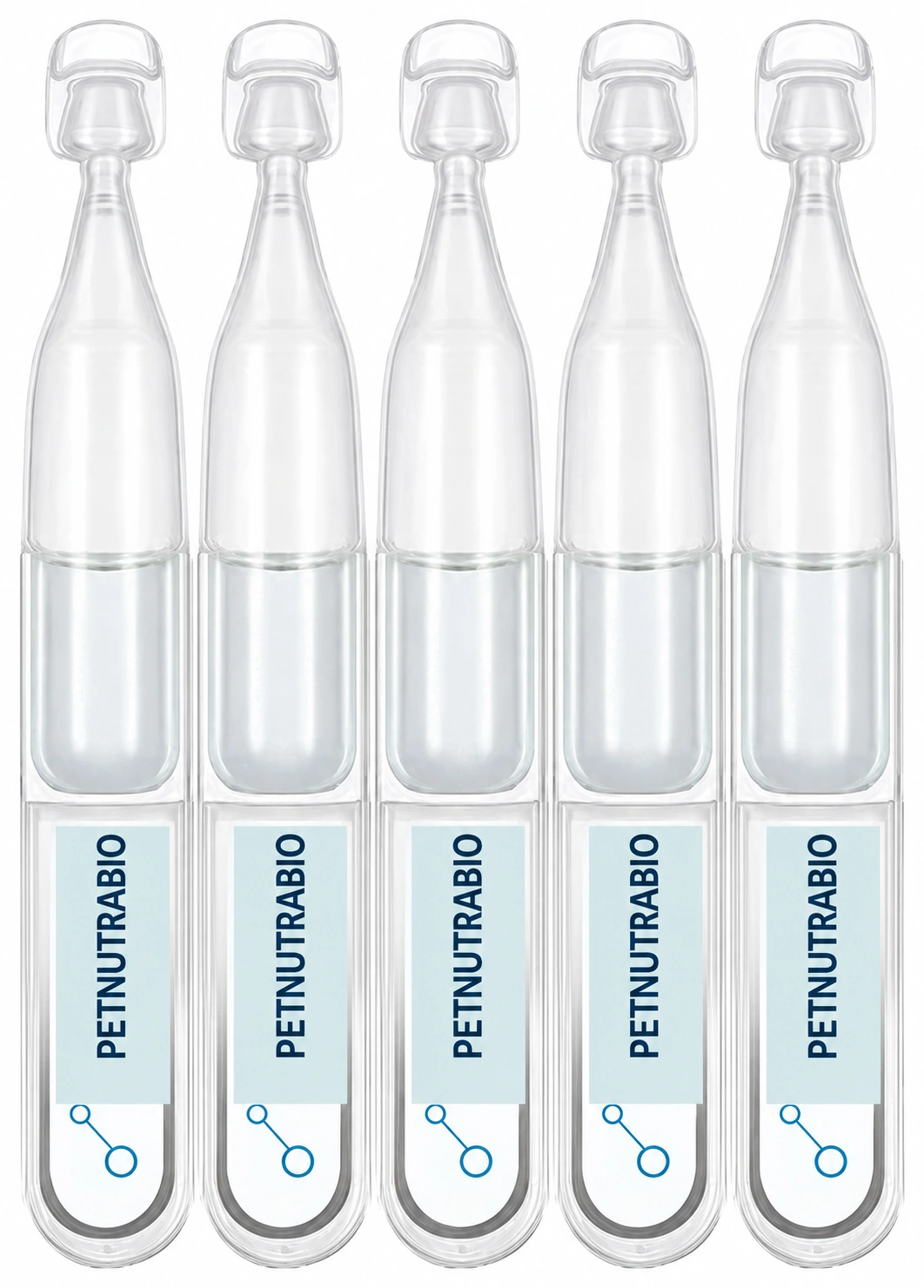



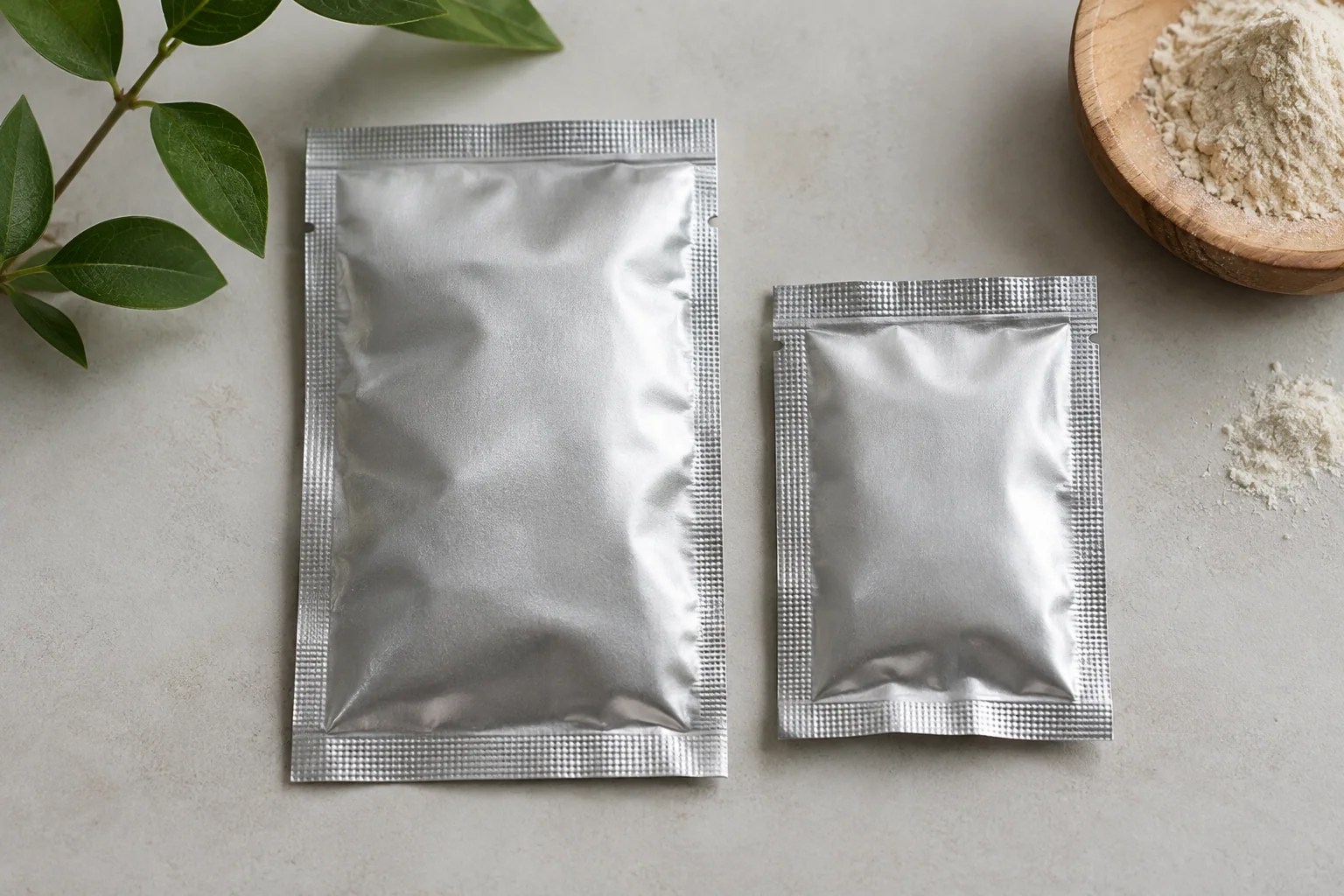
Single-dose pet nutrition packs

Portion packaging concepts built around one intended use and a measurable fill.

Discuss your project

Sachets, stick packs and single-use liquids

Single-dose packaging can simplify an owner's measurement task when the pack delivers the approved serving. Define whether the fill is a liquid, gel or another suitable composition and how it is offered. The container must be assessed with the actual formula.

Single-dose concepts can be discussed for oils, lactoferrin and other suitable nutritional liquids or gels. Establish the serving and formula first, then check fill accuracy, seal integrity, opening force and residual product. Container appearance does not establish a formula or shelf life.

Pet single-dose sachet OEM and pet stick pack supplement projects combine a selected product with a defined fill and opening routine. Powder, granule, paste and liquid concepts have different filling and seal questions. Identify whether one pack equals one daily serving for the intended species and size band.

A finished-pack co-packing brief

The development brief should cover nominal and delivered fill, opening method, seal integrity, compatibility, identification and protection of the product during storage. Agree which characteristics will be checked at release and which require additional study.

Specify primary material, net fill, tear opening, coding position, carton count and any remaining contents after opening. A single-use pack can simplify counting, while the actual fill and serving still need agreement. Separate a pet nutrition product co-packing request from formulation and ingredient sourcing responsibilities in the written quotation.

Packaging and project terms

The source catalogue shows packaging concepts. Formula availability, serving weight, material construction, testing scope and order minimum require a project review.

Documentation for review

Product specifications and a COA can be provided. Third-party heavy metal, microbiological and mycotoxin testing can be arranged with the scope, laboratory, cost and timing agreed for the project. Send the target species, market and intended serving with your enquiry.
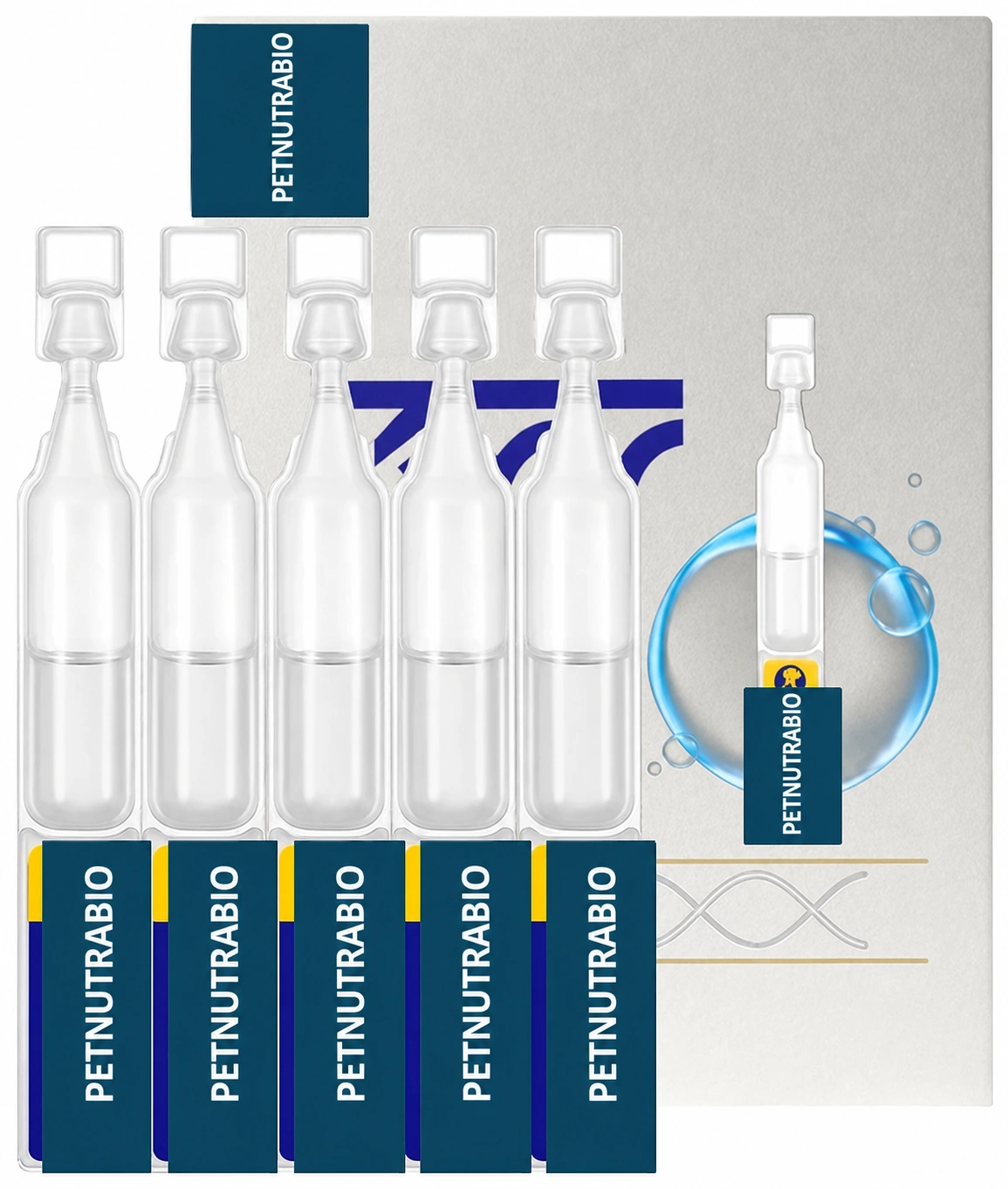
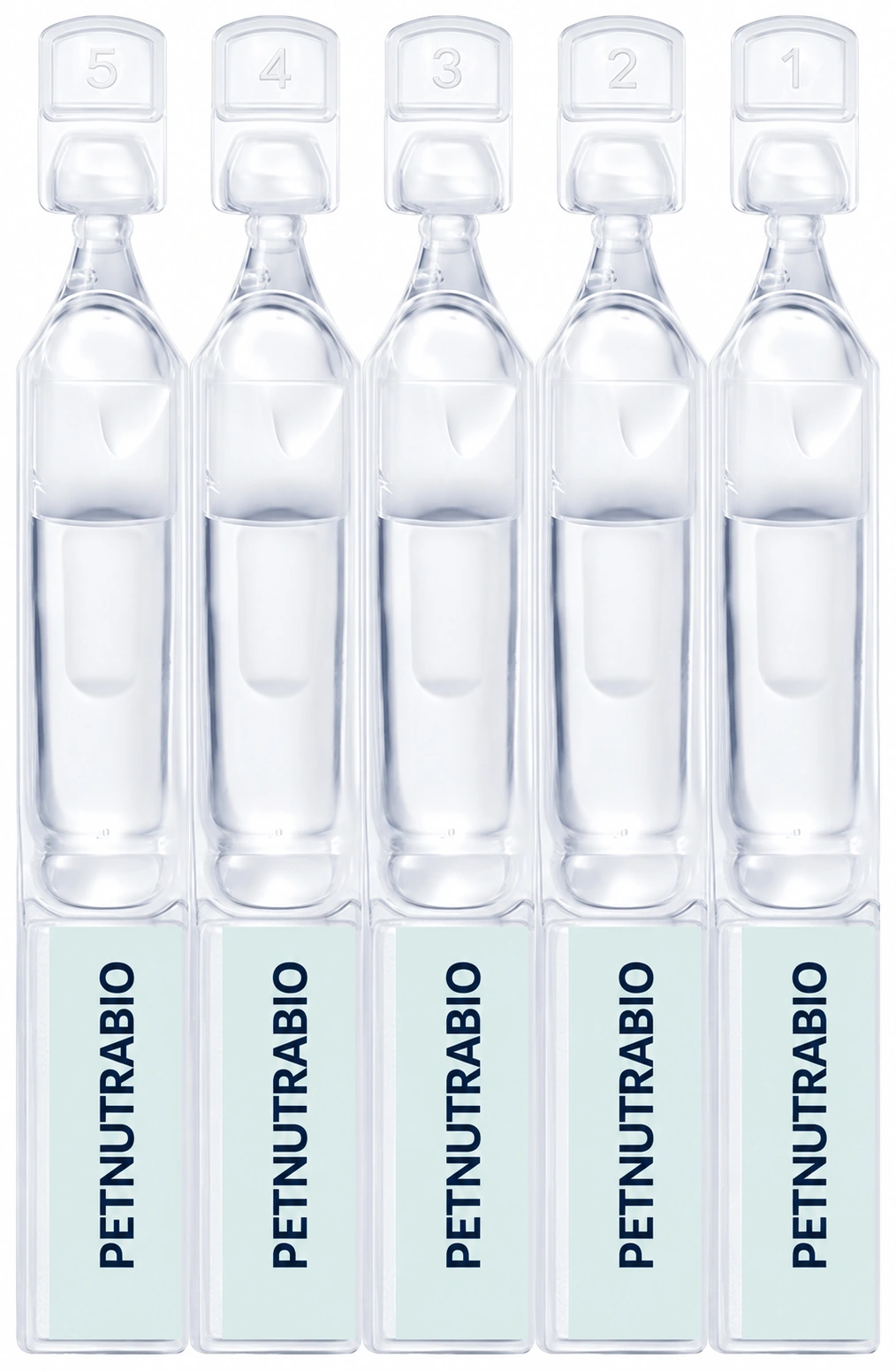
Product & packaging references

Explore product development directions from our catalogue. Each reference can be discussed as an OEM/ODM project for the intended species and sales market.

Explore the catalogue range

Catalogue specification references

  • Fill weights: 1.5 g / 2 g
  • Packaging: Single-dose

Images show digitally rebranded product and packaging references. Formula, ingredient suitability, sourcing, pack size and final label are confirmed for each project. These images are not a certificate, approved final label or evidence of a tested finished formula.

Questions for your product brief

What does single-dose packaging solve?

A portion pack can reduce the owner's need to measure when its delivered contents match the approved serving. It still needs fill accuracy, compatibility and opening checks. Specify the actual contents and use method before assuming that any catalogue container fits the project.

Can a jar and sachet use the same powder recipe?

They may be considered, but each packaging configuration needs review for protection, measurement and use after opening. A repeated-opening jar and a sealed portion sachet create different conditions. Record the approved pack construction with the recipe and the evidence supporting its storage directions.

Can a scoop provide an exact serving by volume?

A volume measure needs assessment with the actual powder and instructions. Powder properties and the way a scoop is filled can affect the delivered weight. Define the labelled serving and evaluate a practical measurement method instead of assuming that a generic scoop is sufficient.

What needs checking on the final printed pack?

Check the actual printed size, legibility, product and species identification, serving text, ingredient statement and coding area. Compare the approved artwork version with production samples. Verify that information remains readable around folds, seals and curved surfaces where a flat design proof can be misleading.

Product references are starting points for discussion. Formula, suitability, evidence, packaging and commercial conditions are confirmed for the project.

What are you planning to make?

Tell us your target species, nutrition direction, format and sales market. We will help define the next technical and commercial questions.

Discuss your project