Pet nutrition liquid drops

Custom pet liquid drops OEM/ODM, with concentration, serving volume, dispenser and primary packaging reviewed together.

Discuss your project
Liquid drops, botanical blends and serving measures

Liquid drops, botanical blends and serving measures

A liquid brief should specify the nutrition ingredients and the concentration that the pack must deliver. Choose the species and feeding method before selecting the dropper. Oil-based and other liquid concepts need formulation-specific review; a bottle image does not define its contents.

Liquid concepts can include collagen, multivitamins and other species-specific nutritional blends. A dropper scale, pump or single-dose container must deliver the intended serving consistently. Review sedimentation, compatibility with the primary pack and the instructions for storage after opening.

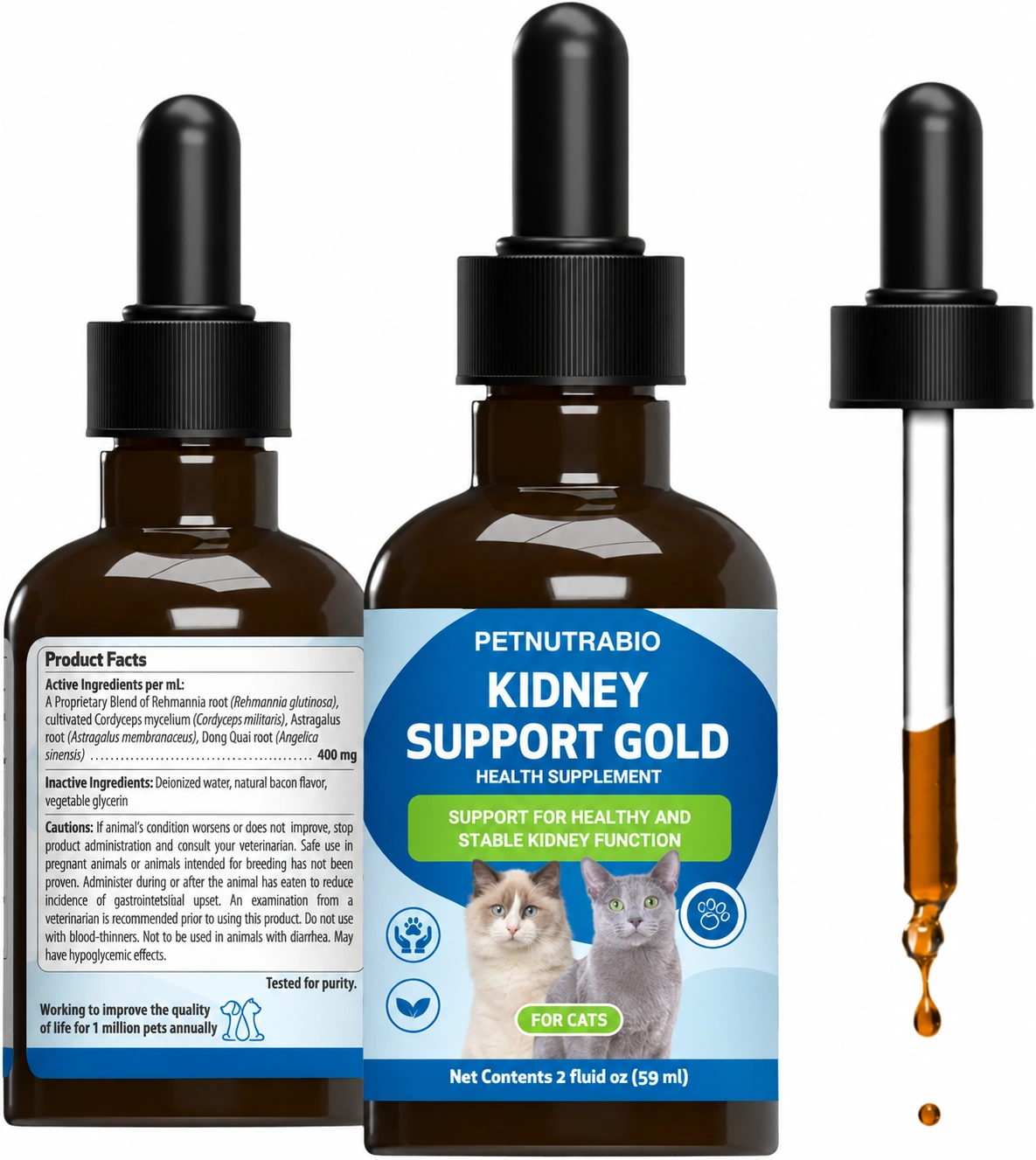
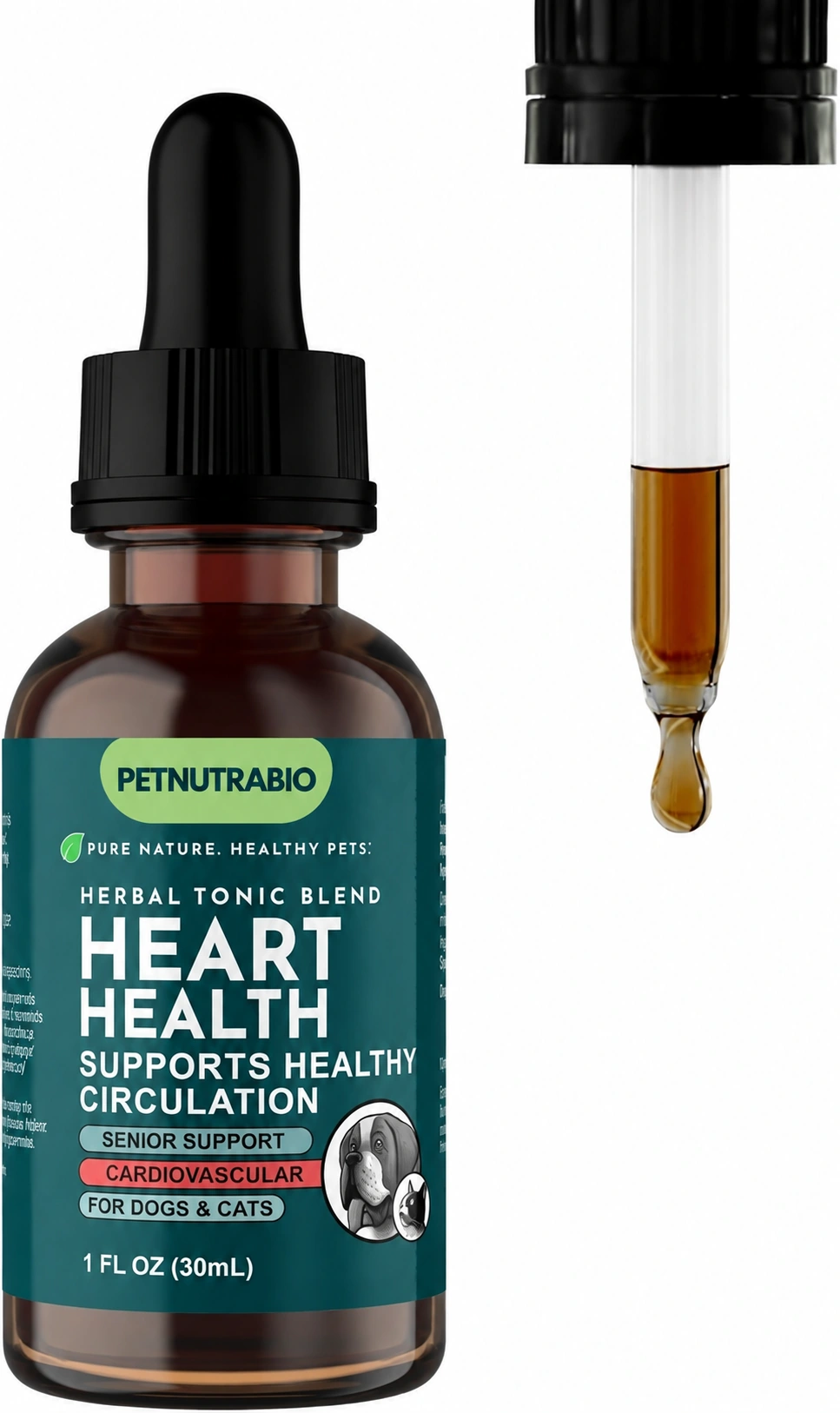
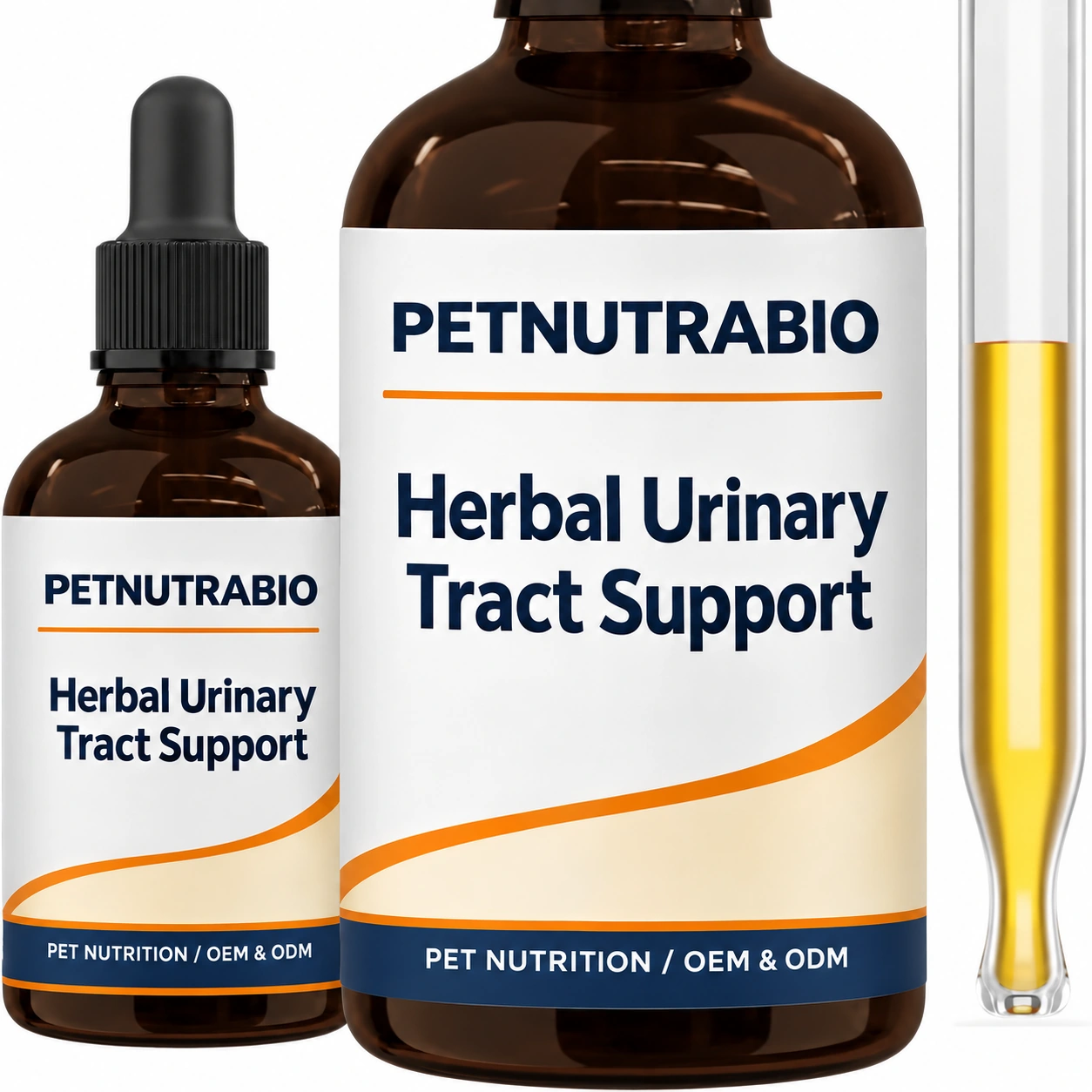
Pet liquid drops OEM/ODM starts with the amount delivered by the proposed serving tool. Discuss nutritional liquid, botanical or oil-based concepts using ingredient identity, concentration and serving volume. Cranberry urinary, kidney, liver or heart nutrition directions require a formula and claim review; a broad organ-support name does not demonstrate benefit or replace veterinary assessment.

Glass bottles, droppers and after-opening use

The development brief should cover ingredient concentration, delivered volume per labelled serving, compatibility of the bottle and closure, physical condition and instructions after opening. Agree which characteristics will be checked at release and which require additional study.

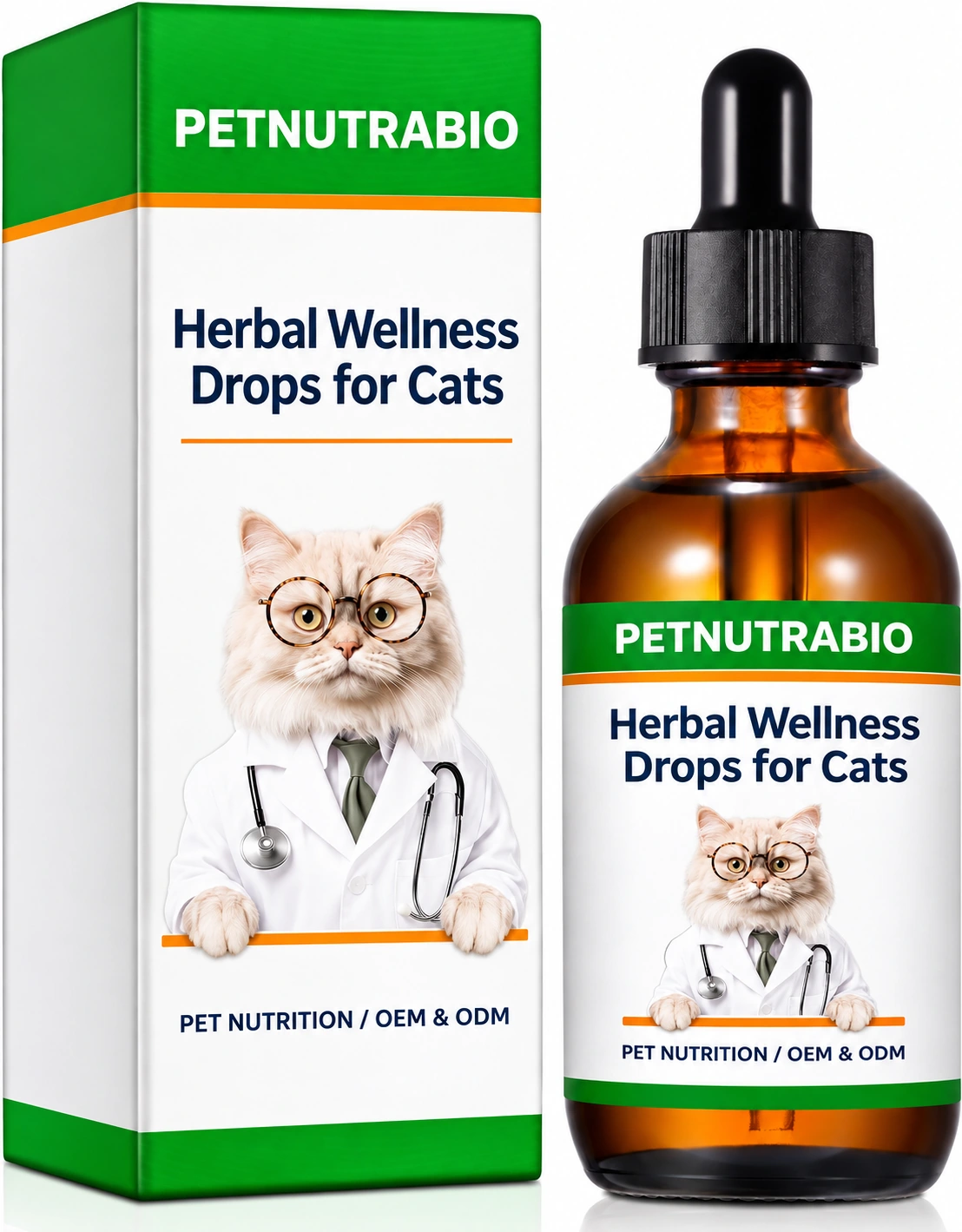
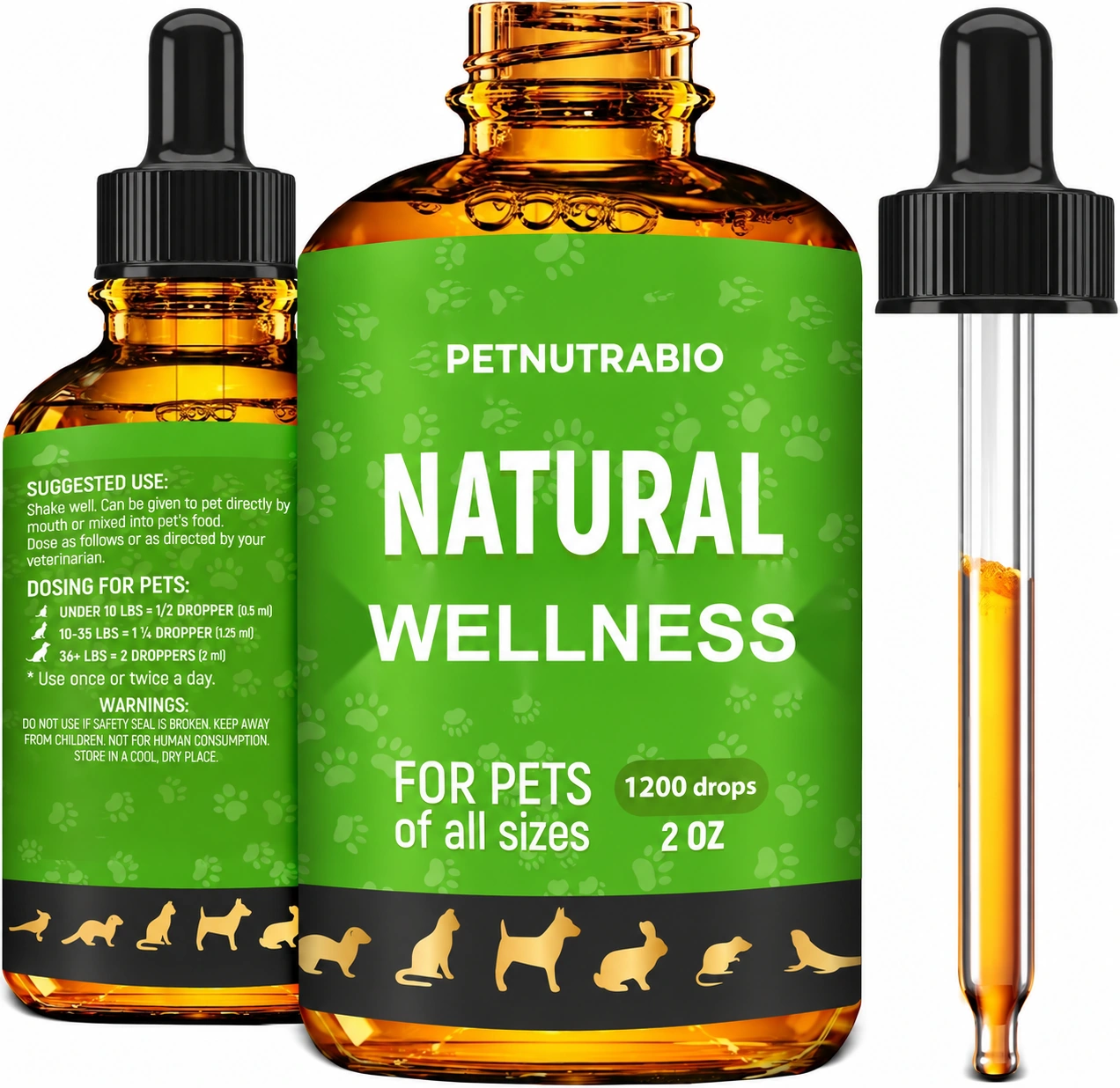
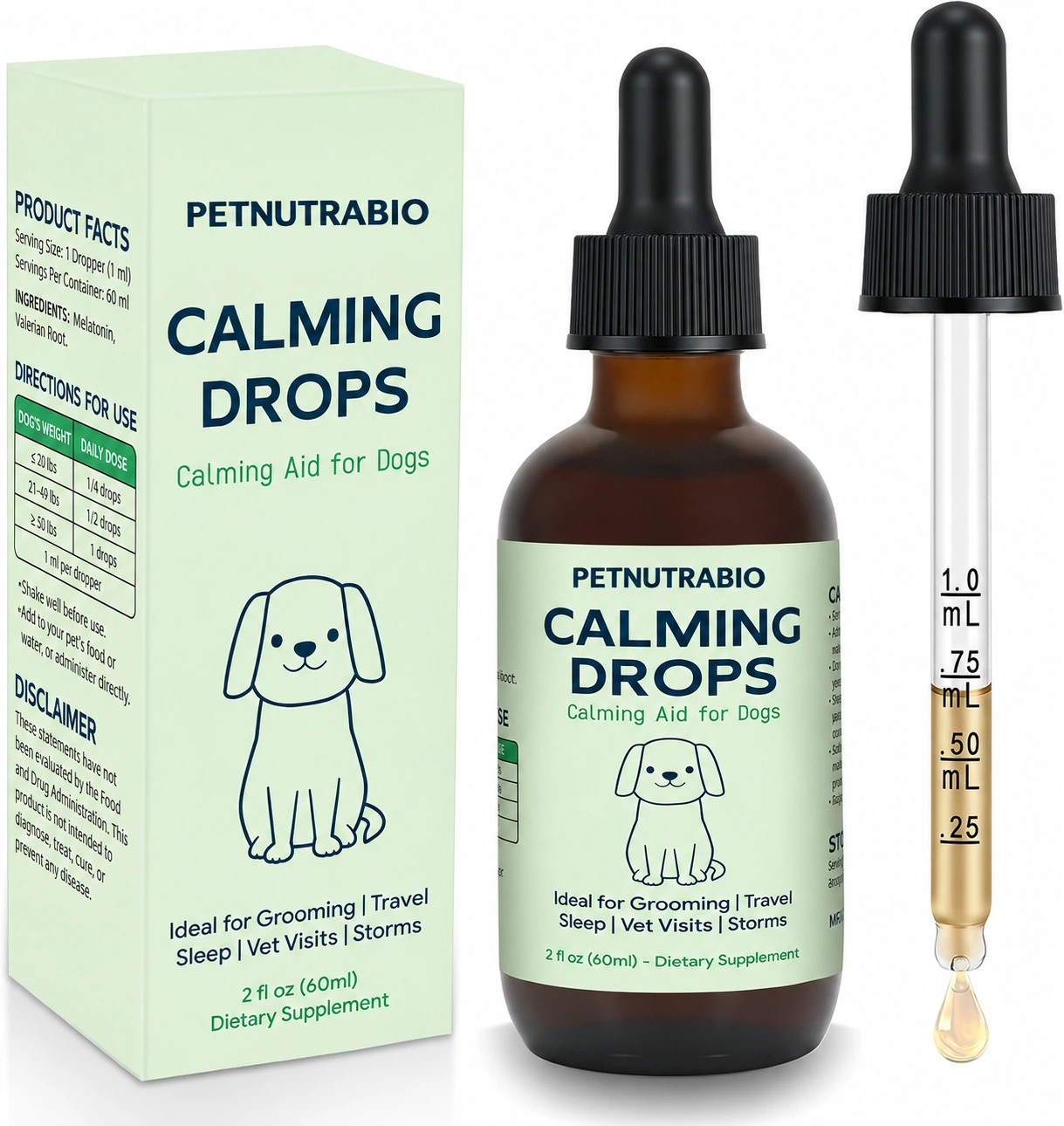
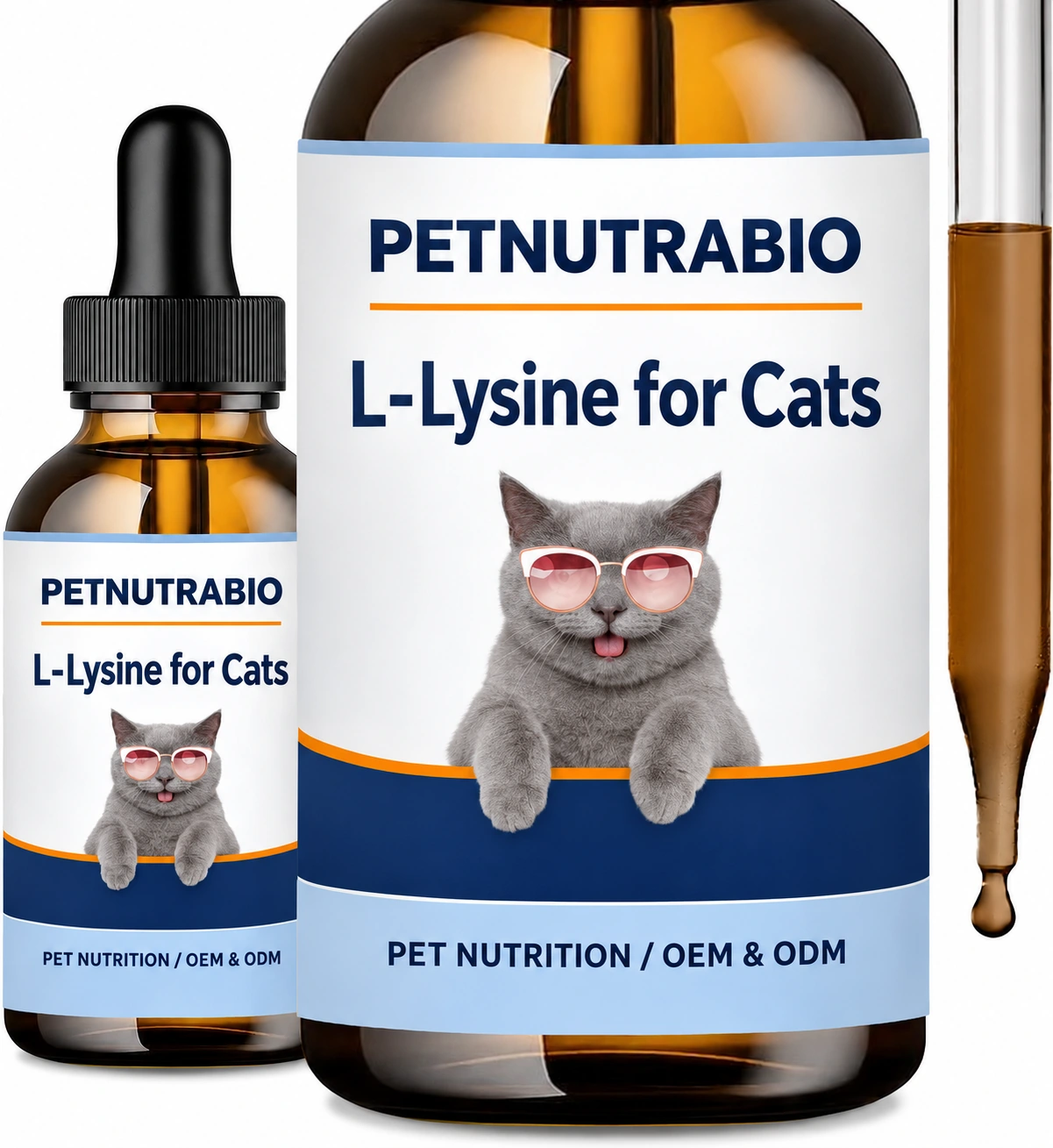
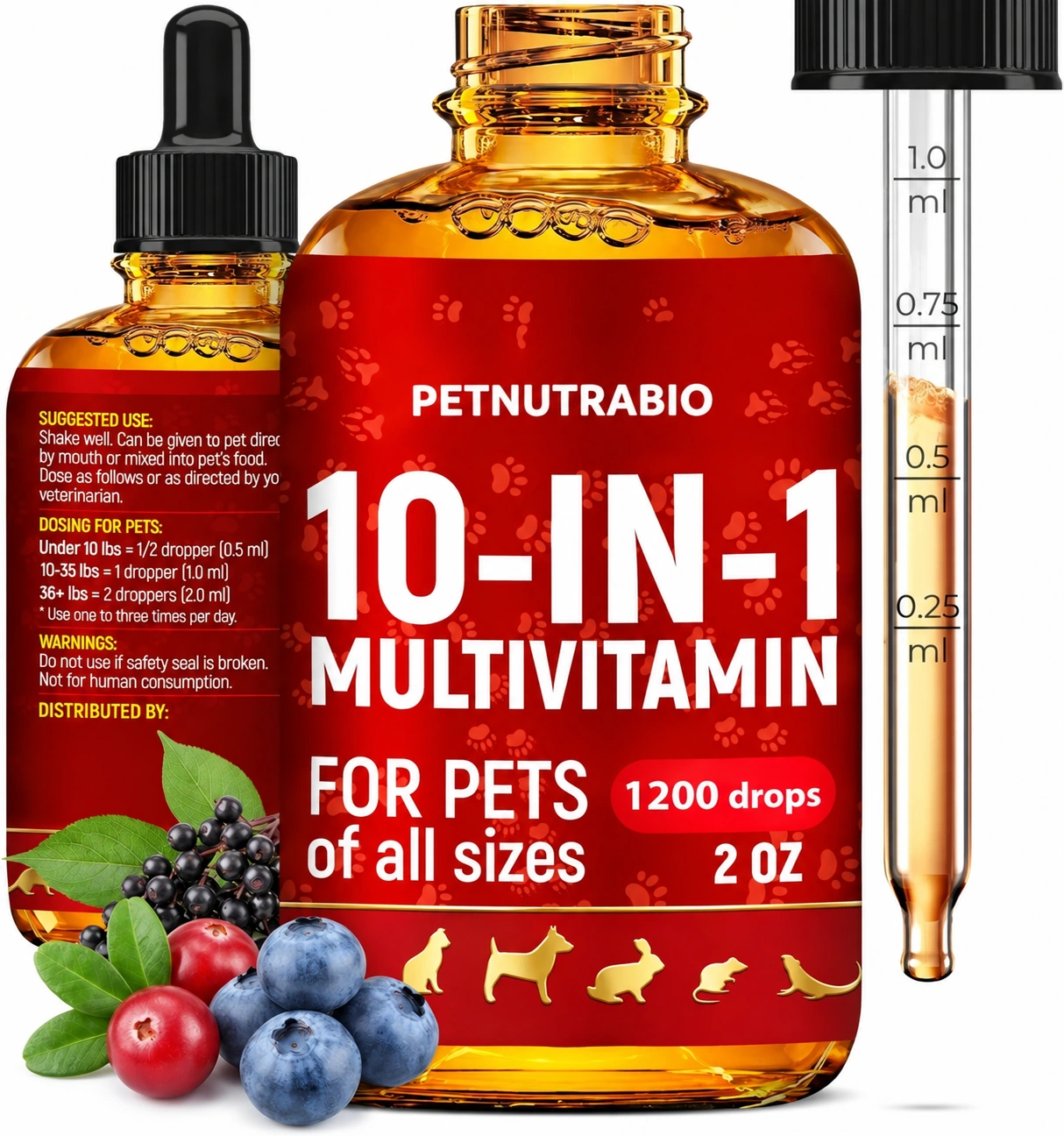
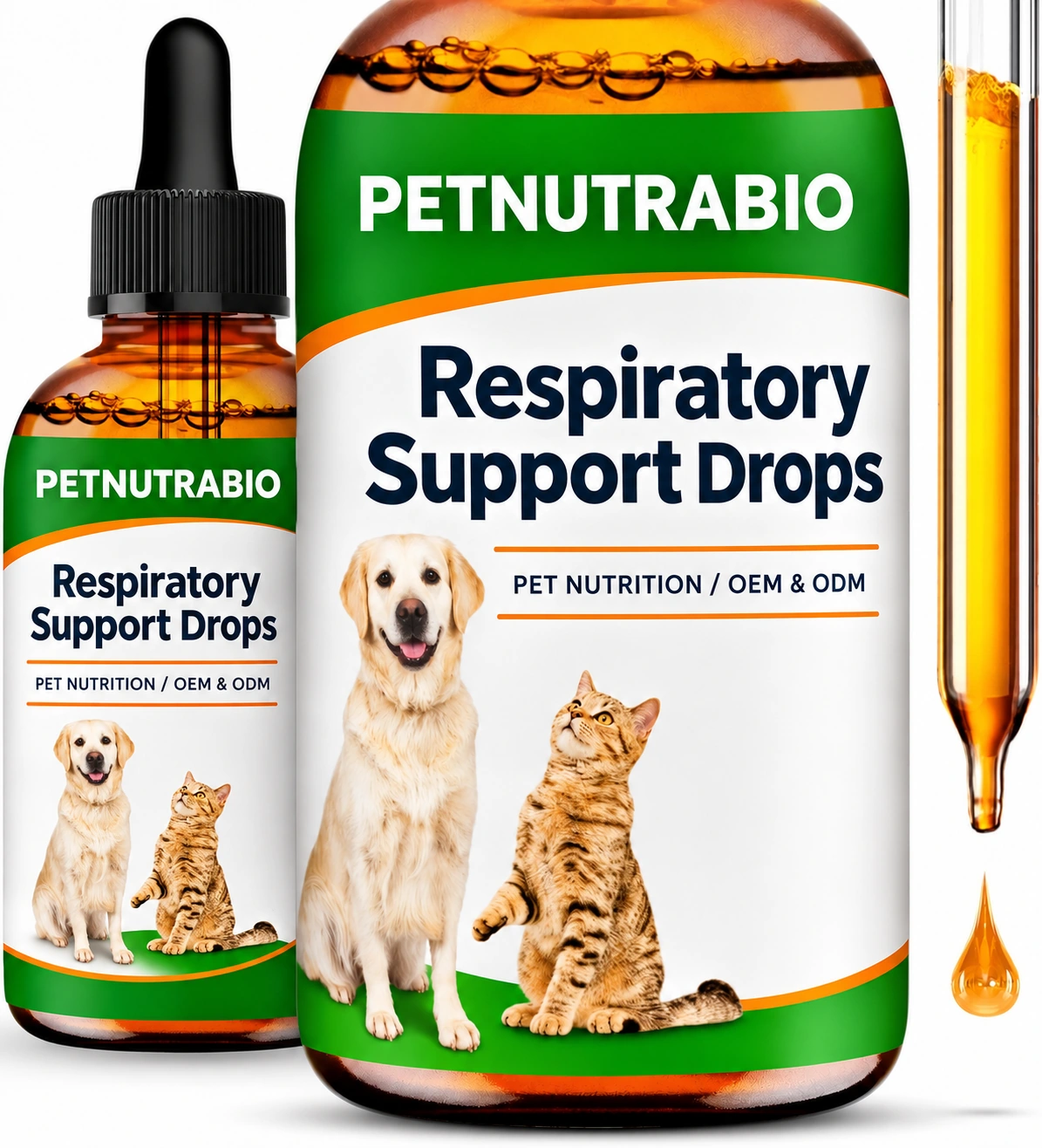
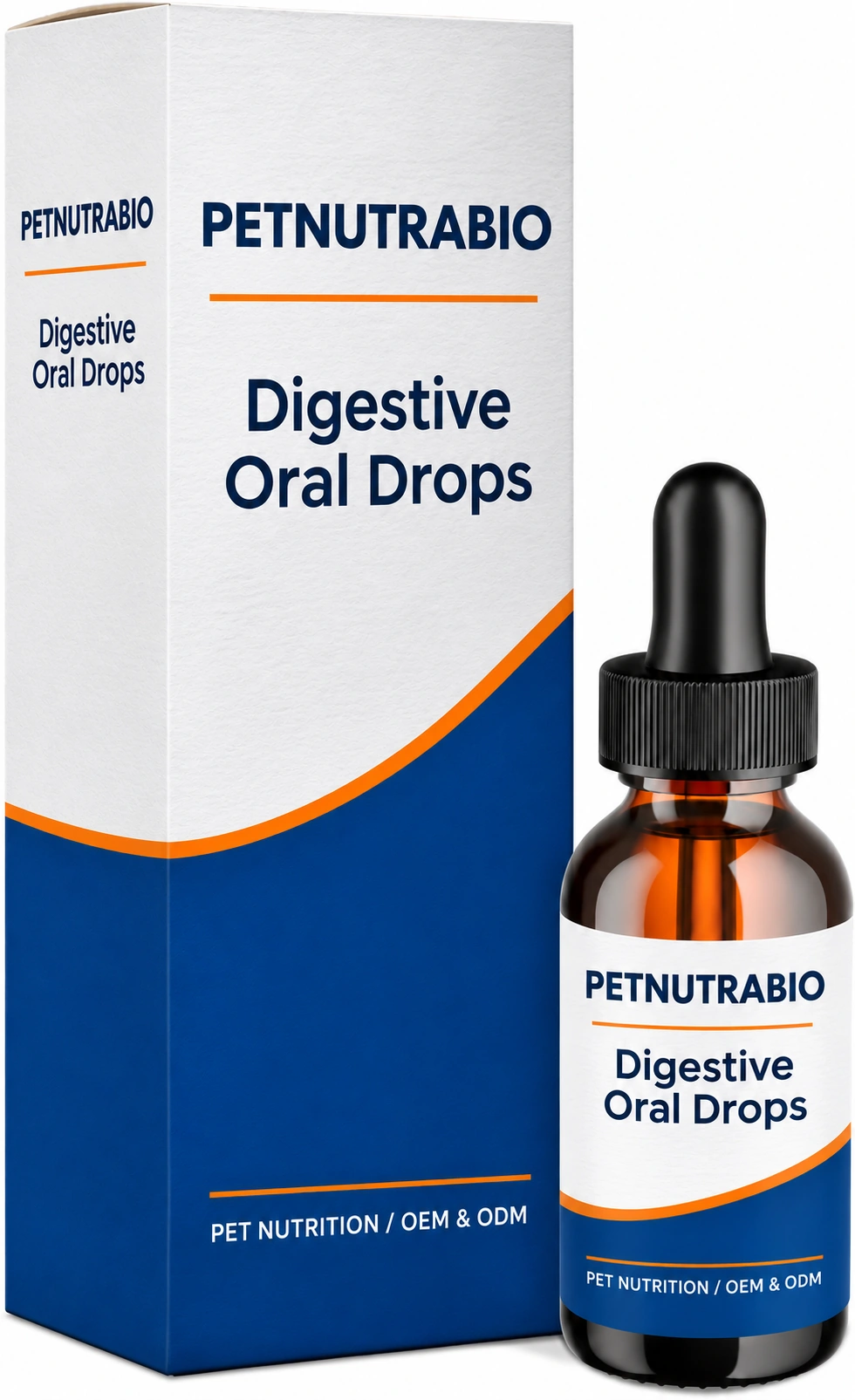
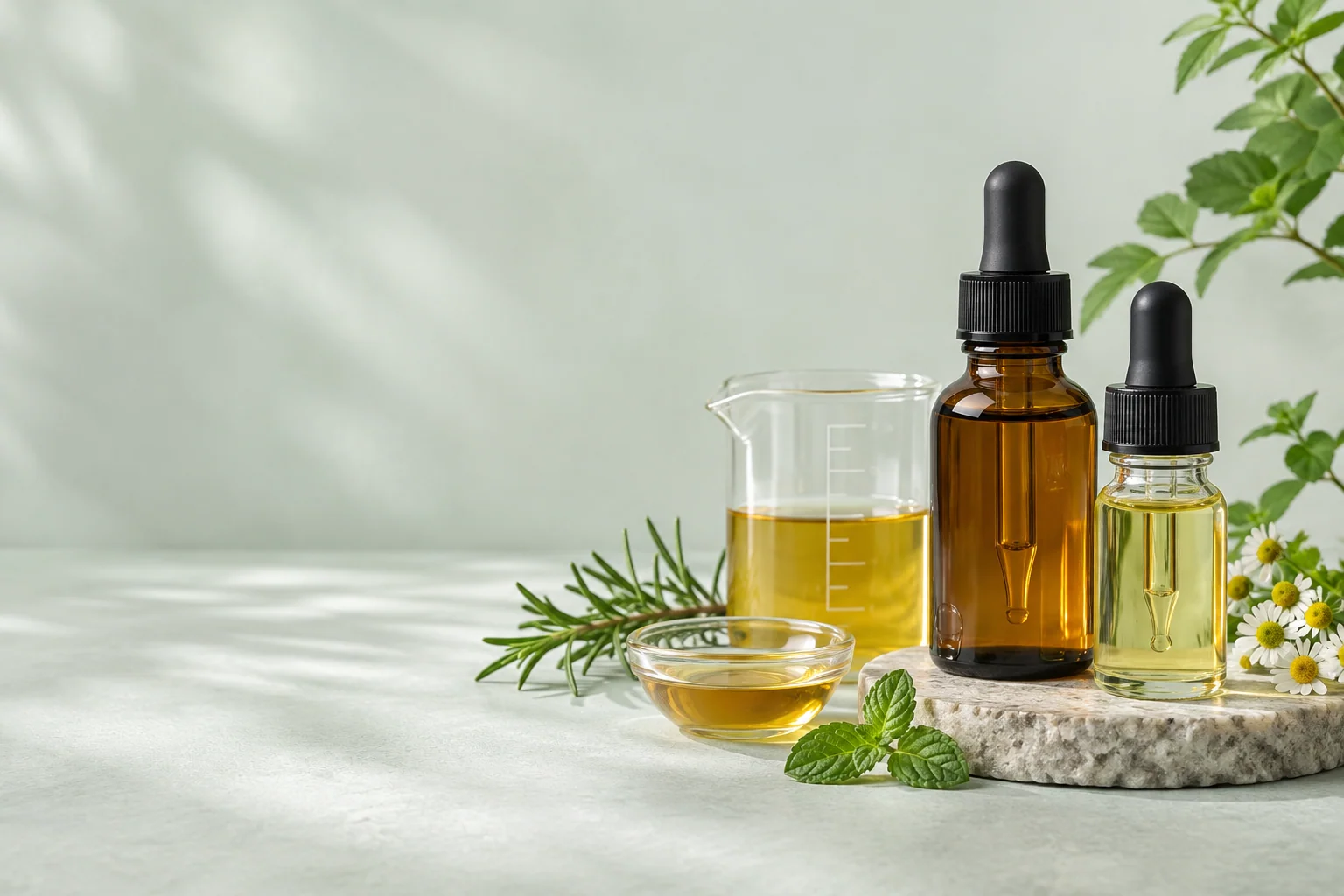
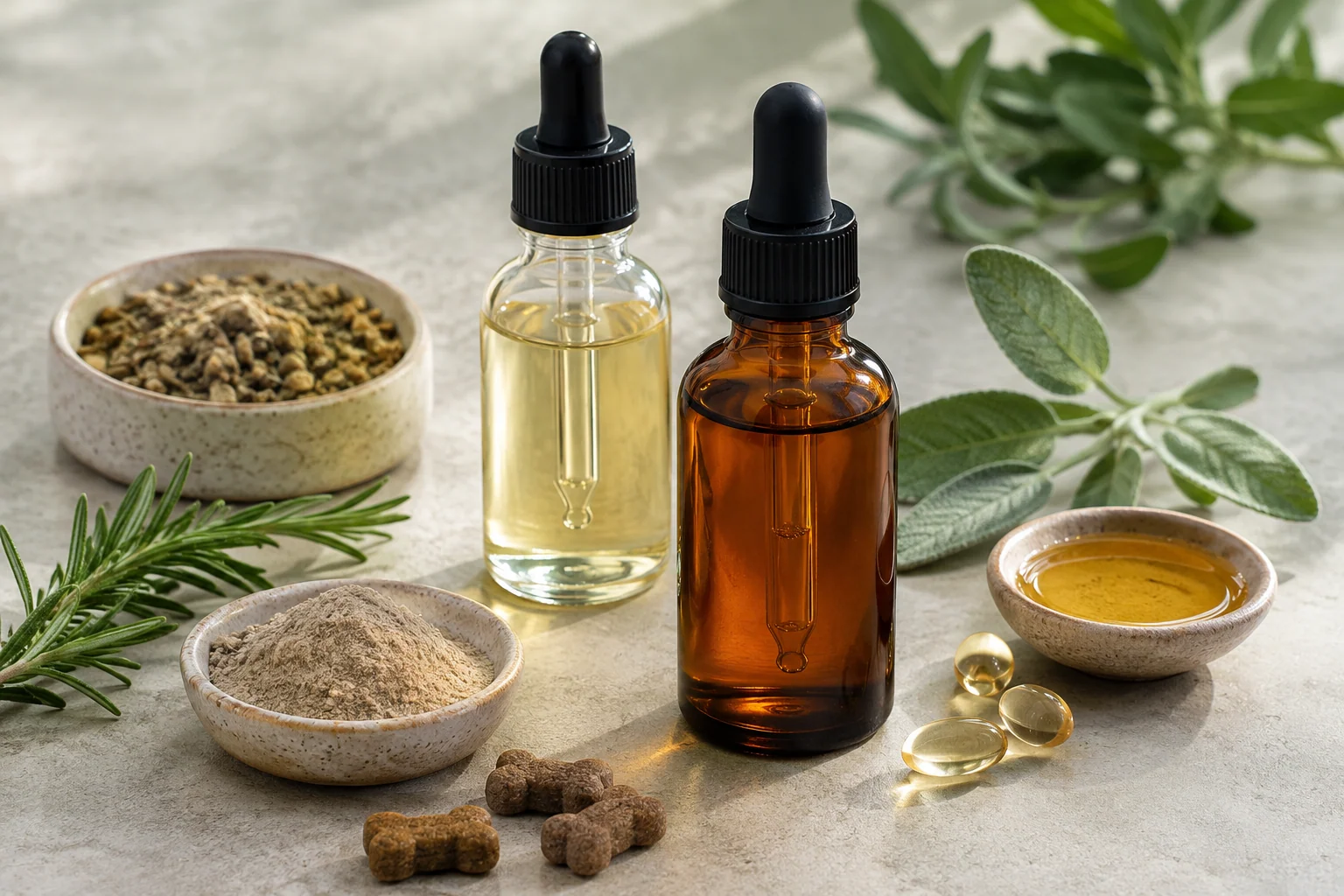
A glass bottle is a packaging choice to assess alongside light exposure, closure compatibility, dispense performance and after-opening use. Specify whether the label declares mL per serving and how the dispenser will be checked. Product photographs show reference concepts, not evidence that every glass bottle or dropper suits the proposed liquid. Liquid drops currently start at 1,000 bottles.

Packaging and project terms

Final formula, packaging, minimum order and testing are agreed separately. We do not use the catalogue as a basis for antibiotic, cough-treatment or disease-treatment claims.

Documentation for review

Product specifications and a COA can be provided. Third-party heavy metal, microbiological and mycotoxin testing can be arranged with the scope, laboratory, cost and timing agreed for the project. Send the target species, market and intended serving with your enquiry.
Product & packaging references

Explore product development directions from our catalogue. Each reference can be discussed as an OEM/ODM project for the intended species and sales market.

Explore the catalogue range

Catalogue specification references

  • Pack sizes: 30 / 50 / 60 mL
  • Packaging: Glass bottles
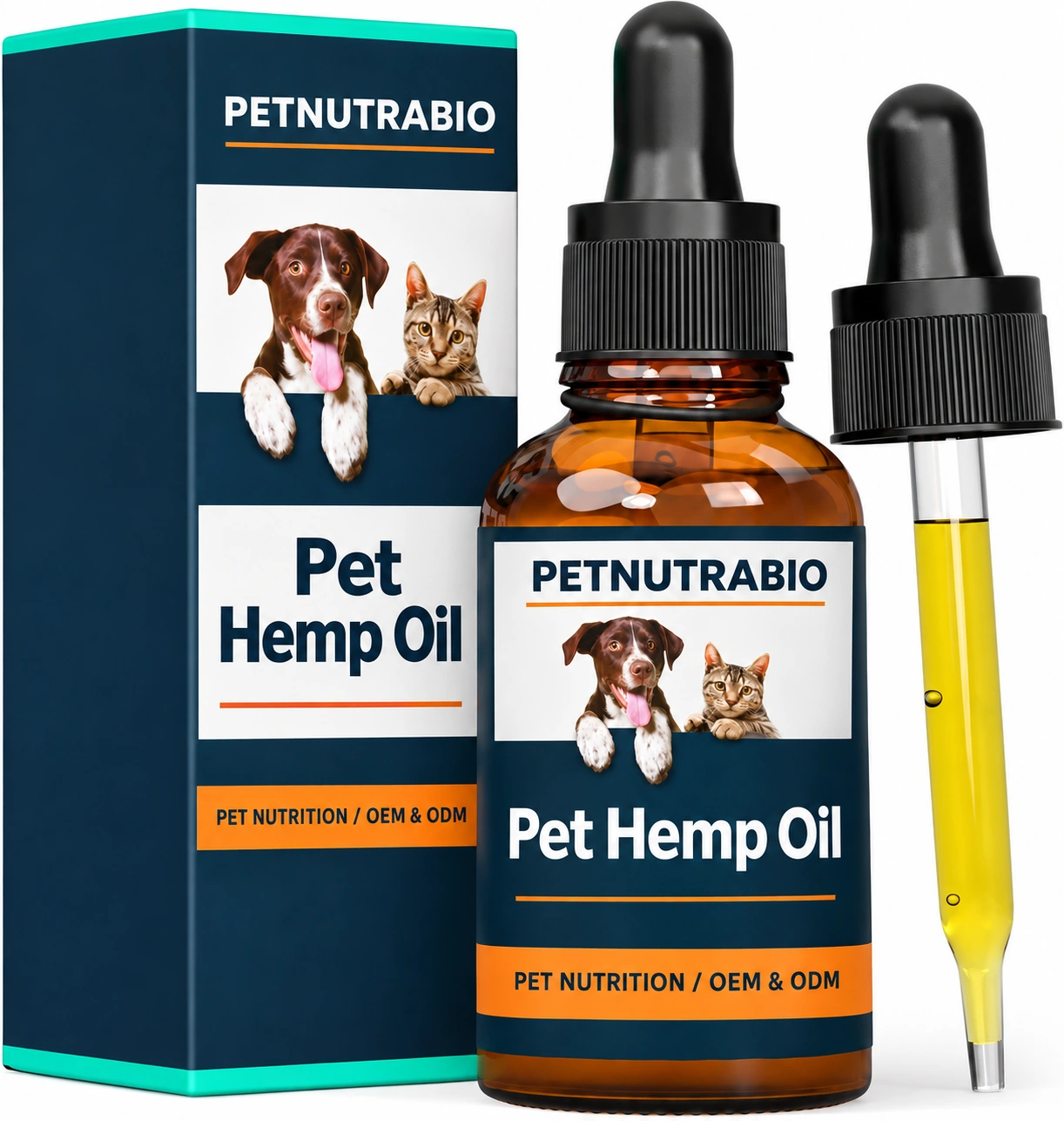
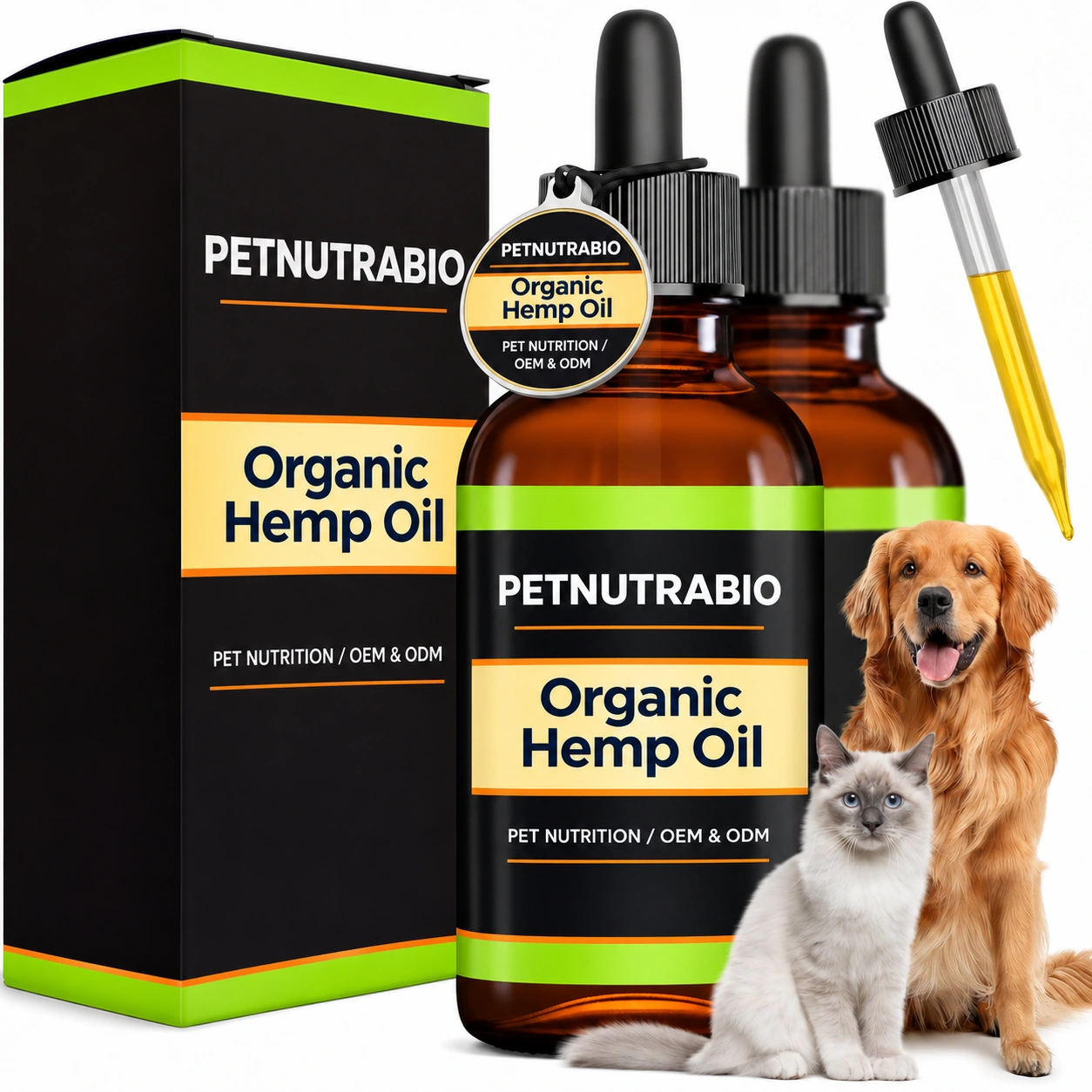
Organic Hemp Oil

DRP-02

Organic Hemp Oil

Organic sourcing reference; applicable certification is confirmed for the project.

Discuss this reference
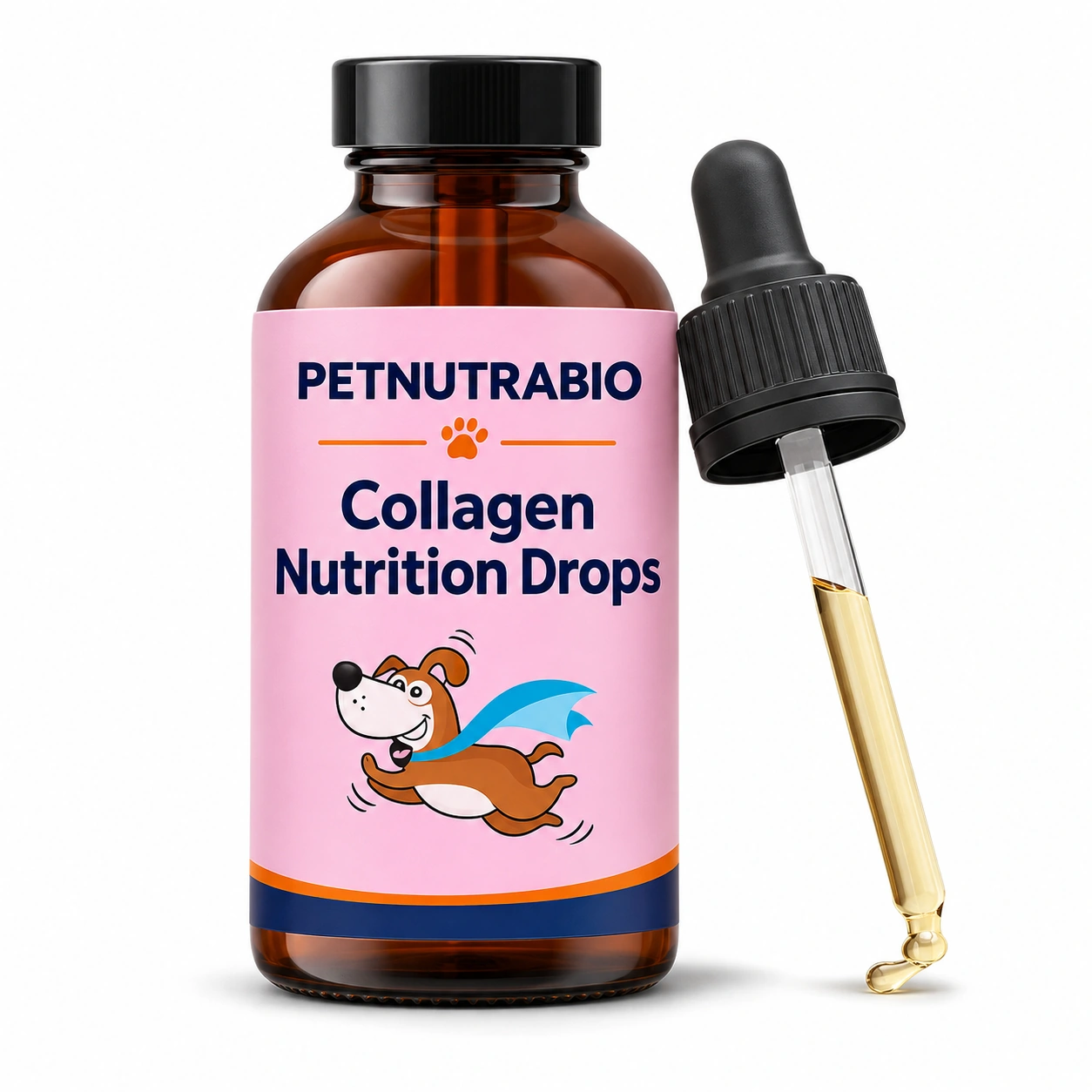
Collagen Nutrition Drops

DRP-13

Collagen Nutrition Drops

A collagen-based liquid development direction. Review collagen source, declared content, liquid stability and measured serving before choosing a dropper or pump.

Discuss this reference

Images show digitally rebranded product and packaging references. Formula, ingredient suitability, sourcing, pack size and final label are confirmed for each project. These images are not a certificate, approved final label or evidence of a tested finished formula.

Questions for your product brief

Are liquid drops measured by counting drops?

A drop count needs support from the actual formulation and dispensing system. Liquid properties and the device can affect delivery. Specify the intended serving volume or amount and request a practical assessment of how the chosen pack will let the owner measure it.

How should cranberry, urinary and kidney nutrition ideas be separated?

Define the species, ingredient forms and intended nutrition purpose for each proposed product. Cranberry urinary concepts and kidney nutrition need their own formula and claim reviews. An organ name does not demonstrate clinical benefit. Animals with urinary symptoms or diagnosed kidney disease need veterinary assessment rather than a generic catalogue selection.

Can active-ingredient amounts be adjusted to a buyer specification?

Provide the exact ingredient forms and target declarations per unit and per daily serving. Feasibility depends on the whole formulation, format, species and destination. A change may require different unit dimensions, repeat testing and revised instructions. An initial adjustment request does not establish an approved formula or a confirmed production price.

What belongs in a finished pet supplement stability plan?

Define the formula version, final primary packaging, storage conditions, sampling points, analytical methods and acceptance criteria. Include after-opening use where relevant. Discuss who performs the work and how results will support the proposed shelf life. Availability, fees and timing for a specific stability programme are agreed before commissioning.

What should a Canadian import documentation request contain?

Provide the proposed classification, complete formula, ingredient identities, species, daily serving, claims and label text. Ask the responsible importer or reviewer which records and notification steps apply. We can provide specifications and a COA; additional documents and testing are agreed for the project. A generic export certificate checklist cannot clear every recipe.

Product references are starting points for discussion. Formula, suitability, evidence, packaging and commercial conditions are confirmed for the project.

What are you planning to make?

Tell us your target species, nutrition direction, format and sales market. We will help define the next technical and commercial questions.

Discuss your project