Fish oil and omega nutrition

Fish oil projects specified by source, relevant fatty-acid contribution and the intended daily serving.

Discuss your project
Omega-3 fish oil and salmon oil specifications

Omega-3 fish oil and salmon oil specifications

Discuss fish oil as a nutrition ingredient with a documented source and composition. Specify EPA and DHA per serving where relevant instead of relying on the total oil weight. The source, concentration and proposed species directions require confirmation for the finished product.

Fish oil projects may use salmon, other fish or krill ingredients, subject to sourcing and formulation review. Confirm the EPA and DHA contribution separately from the total oil quantity. Agree oxidation testing, protection from air and light, serving delivery and the destination-market label before finalising the pack.

Pet omega-3 fish oil supplement and salmon oil skin-and-coat concepts need separate declarations for total oil, EPA and DHA. Identify the oil source, ingredient specification and proposed daily contribution. The name salmon oil does not establish a fixed omega-3 concentration. Discuss skin and coat nutrition without promising allergy treatment or using the oil name as a purity guarantee.

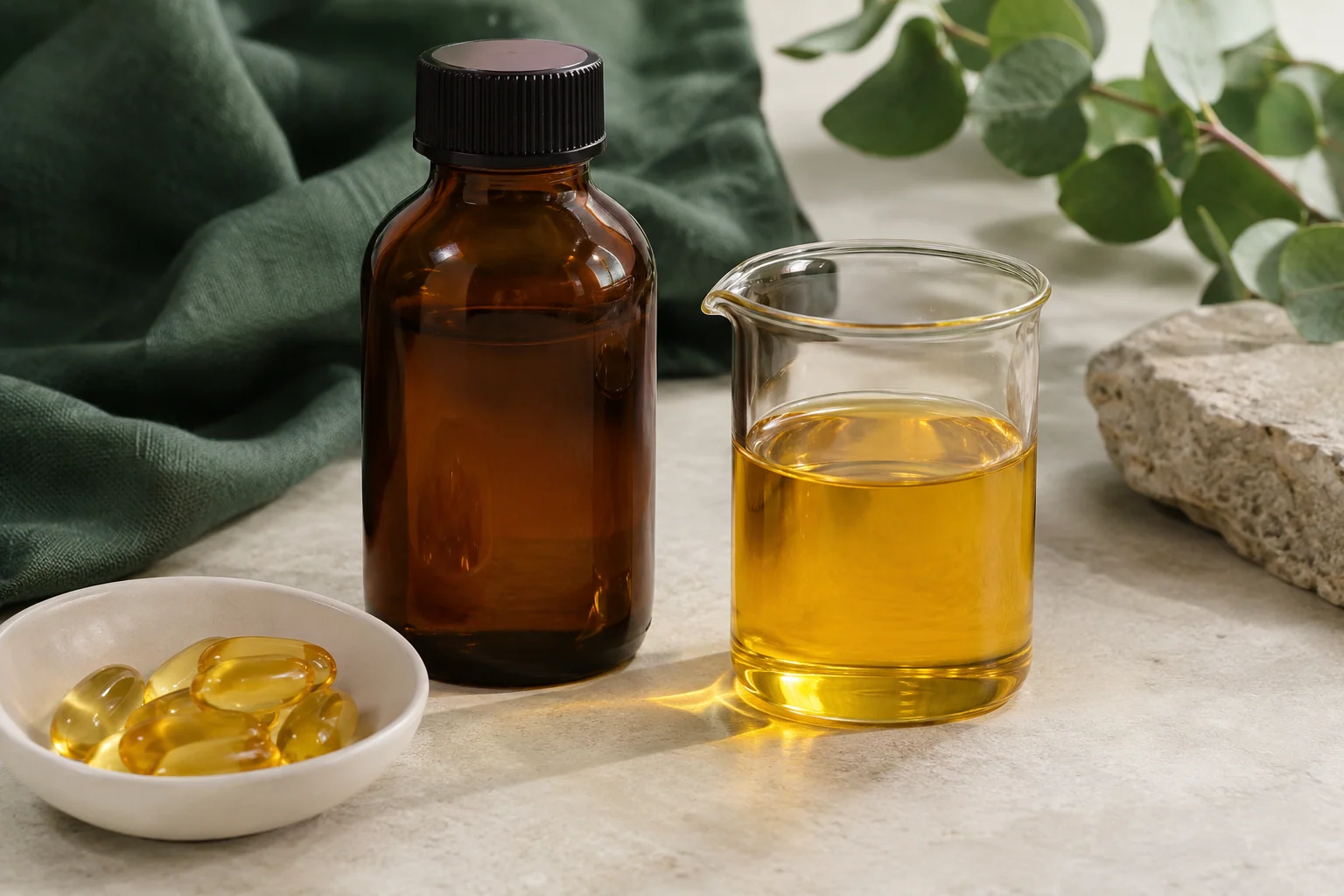
Liquid oil and softgel comparisons

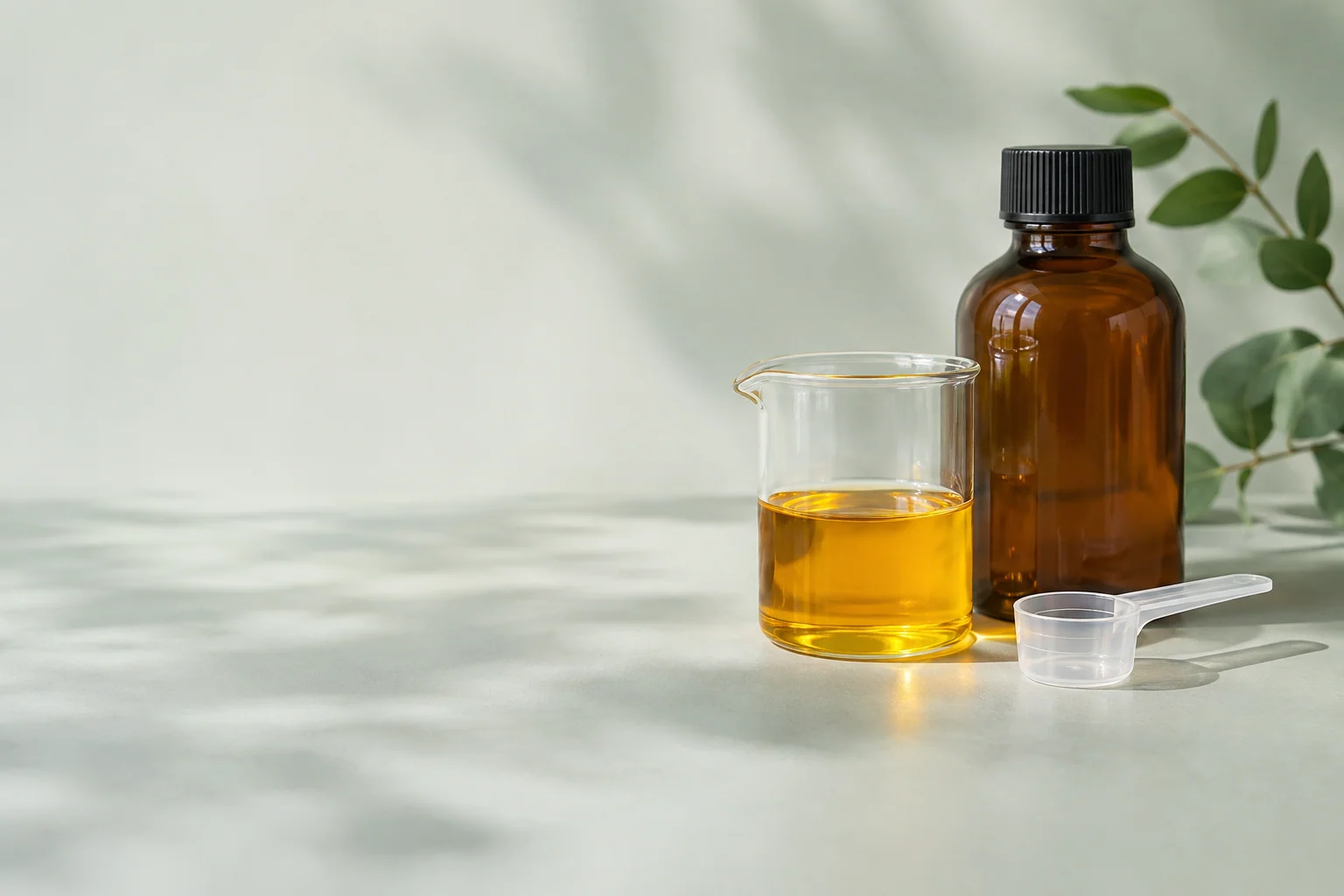
The development brief should cover oil identity and source documents, fatty-acid profile, relevant oxidation criteria, serving measurement, closure performance and light or oxygen exposure. Agree which characteristics will be checked at release and which require additional study.

For a pet oil liquid supplement OEM brief, review pump or dispenser accuracy, closure behaviour and the expected period after opening. If a brand also wants fish oil softgels, compare EPA and DHA per serving across both formats. Agree suitable quality and stability indicators with the product specification; retail appearance and aroma cannot replace the agreed testing.

Packaging and project terms

Source species, ingredient origin, purity, oil form, bottle size and minimum order remain project-specific. No geographic source or purity figure is promised from a brochure photograph.

Documentation for review

Product specifications and a COA can be provided. Third-party heavy metal, microbiological and mycotoxin testing can be arranged with the scope, laboratory, cost and timing agreed for the project. Send the target species, market and intended serving with your enquiry.
Product & packaging references

Explore product development directions from our catalogue. Each reference can be discussed as an OEM/ODM project for the intended species and sales market.

Explore the catalogue range

Catalogue specification references

  • Pack sizes: 100 / 150 / 250 mL
  • Packaging: Bottles
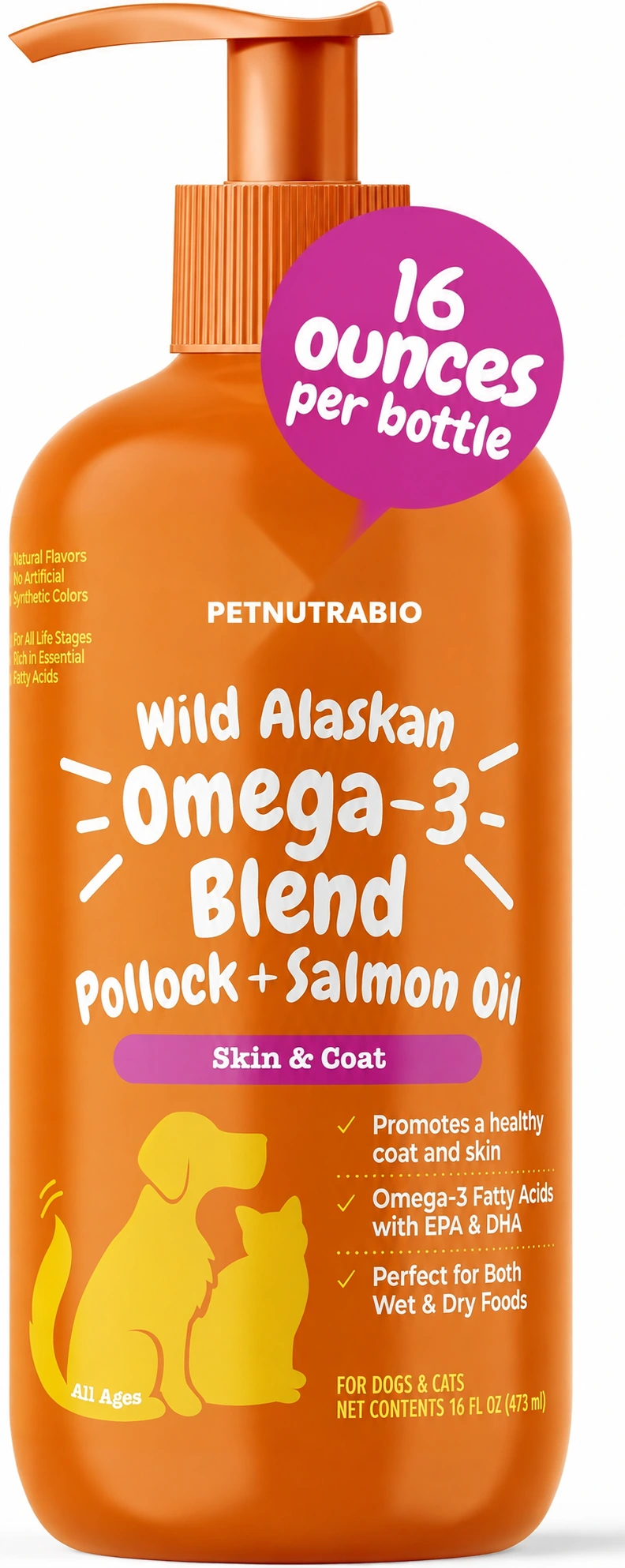
Alaskan Omega-3 Blend: Pollock & Salmon

OIL-01

Alaskan Omega-3 Blend: Pollock & Salmon

Sourcing reference; source and origin are confirmed for the project.

Discuss this reference
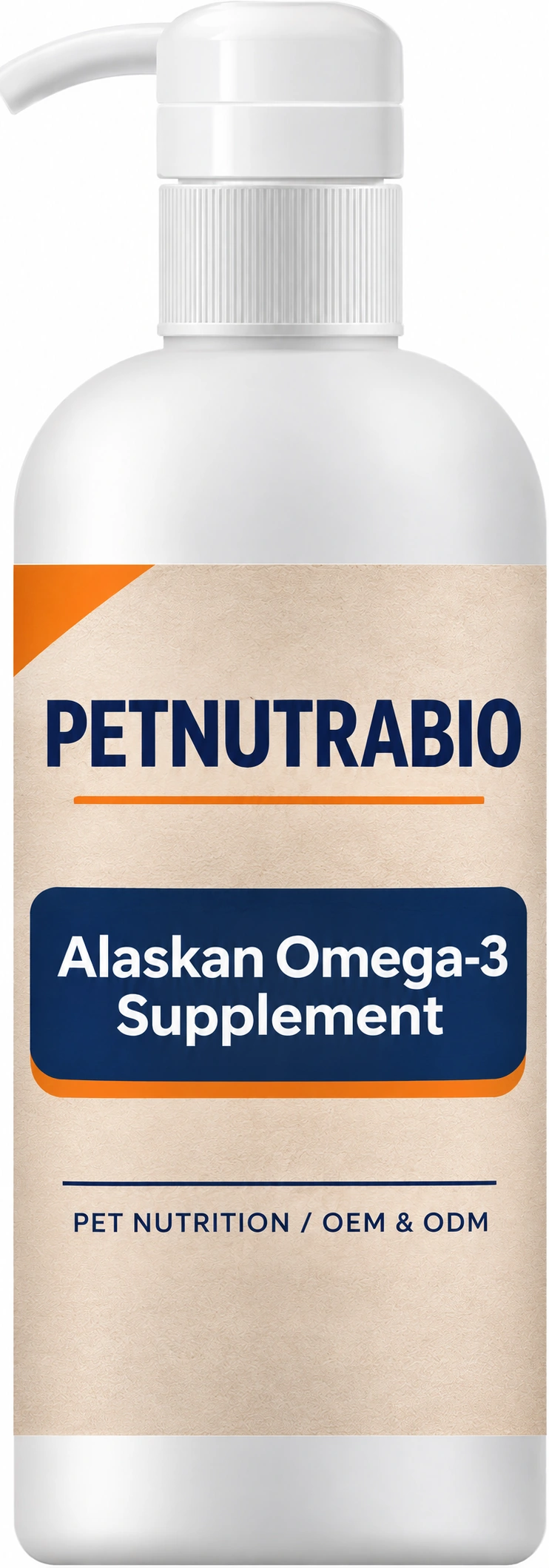
Alaskan Omega-3 Supplement

OIL-04

Alaskan Omega-3 Supplement

Sourcing reference; source and origin are confirmed for the project.

Discuss this reference
Norwegian Salmon Oil

OIL-05

Norwegian Salmon Oil

Sourcing reference; source and origin are confirmed for the project.

Discuss this reference
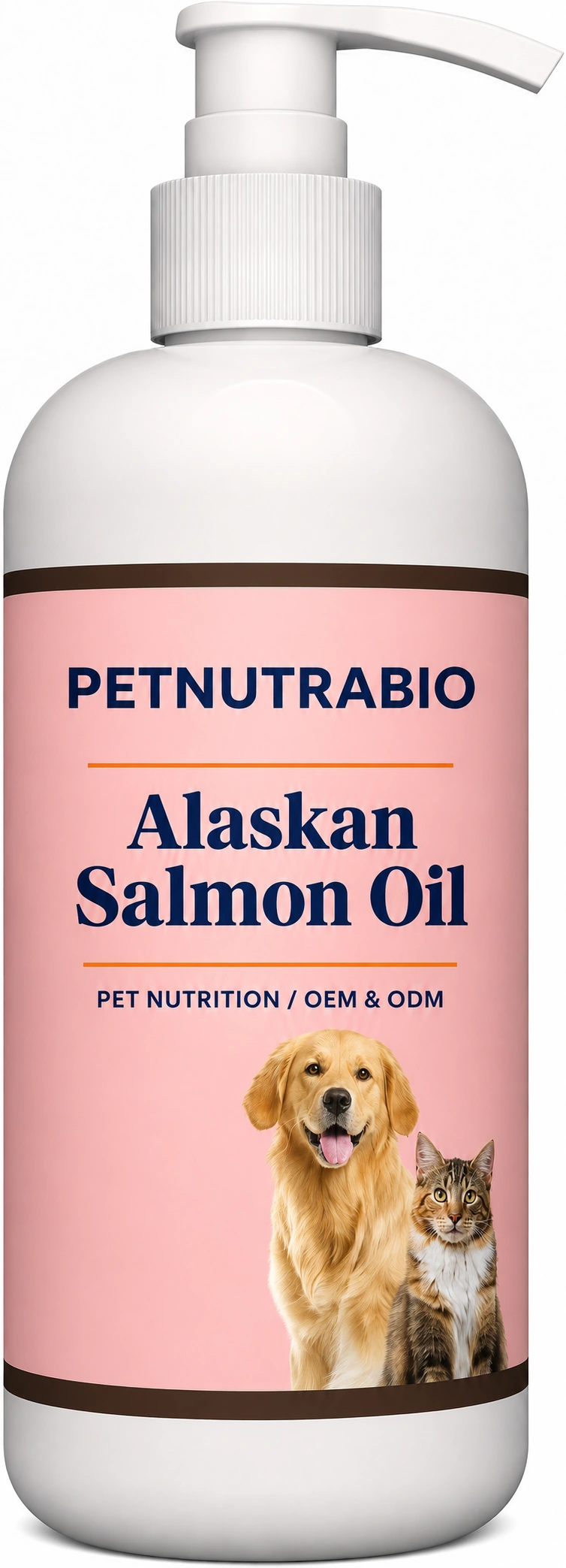
Alaskan Salmon Oil

OIL-06

Alaskan Salmon Oil

Sourcing reference; source and origin are confirmed for the project.

Discuss this reference

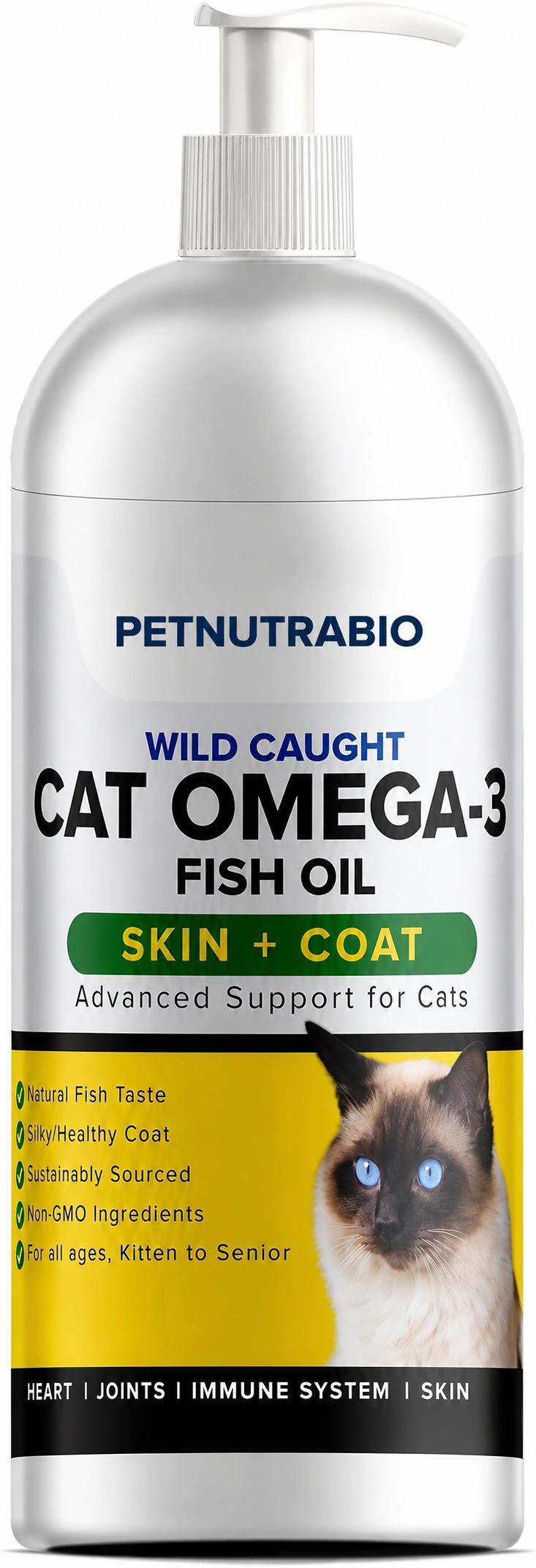
Images show digitally rebranded product and packaging references. Formula, ingredient suitability, sourcing, pack size and final label are confirmed for each project. These images are not a certificate, approved final label or evidence of a tested finished formula.

Questions for your product brief

What should an omega-3 enquiry specify?

Identify the intended species, source preferences, proposed daily serving and whether EPA and DHA will be declared. Ask for the ingredient specification and finished-product measurement basis. Total oil weight, source name and fatty-acid contribution should not be treated as interchangeable descriptions.

Does salmon oil automatically have a fixed EPA and DHA level?

A source name does not define a fixed fatty-acid composition for every product. Request the oil specification and the proposed declaration per serving. Source identity, concentration, processing and relevant quality criteria belong in the project records before a label amount is approved.

Can a fish-oil liquid and softgel deliver the same omega-3 amount?

Compare EPA and DHA per intended daily serving, separately from total oil weight. Then review the dispenser or unit count, shell ingredients, feeding method and packaging. The two formats require their own specifications; a shared fish-oil source or similar package colour does not establish equivalent nutrient delivery.

Can a product use a clear bottle?

Bottle selection should follow the formula's protection needs and the evidence for the proposed pack. A clear bottle may suit a brand's appearance, but appearance does not settle sensitivity to light or storage performance. Assess the complete packaging system before approving it.

Product references are starting points for discussion. Formula, suitability, evidence, packaging and commercial conditions are confirmed for the project.

What are you planning to make?

Tell us your target species, nutrition direction, format and sales market. We will help define the next technical and commercial questions.

Discuss your project